Summer cleaning helps schools reset classrooms, restrooms, floors, offices, and shared spaces before students and staff return. A thoughtful summer cleaning plan gives custodial teams and administrators time to address buildup, maintenance concerns, indoor air quality, and high-touch areas without working around daily school traffic. The goal is a cleaner, safer, more organized building before the first day back.
Summer Cleaning Starts With the Spaces Students Use Most
Schools see a level of daily activity that few other buildings experience. Classrooms, hallways, restrooms, cafeterias, gyms, and administrative areas all collect dust, soil, stains, fingerprints, odors, and clutter throughout the year. Summer break creates a rare window when deeper cleaning can happen without constant interruptions.
That does not mean every school needs the same cleaning plan. A small private school, a large public campus, a daycare, and a training facility may all have different needs. The best approach is to review the building by use, traffic level, surface type, and condition rather than treating every room the same.
Classrooms Need More Than Surface Wiping
Classrooms should be one of the first priorities because they combine furniture, flooring, storage, electronics, and high-touch surfaces in one space. Desks and chairs may need to be moved so floors can be cleaned properly. Shelves, cubbies, door handles, light switches, pencil sharpeners, whiteboards, and teacher work areas should also be reviewed.
Summer is also a good time to remove unnecessary clutter. Cleaning around old supplies, broken furniture, and forgotten boxes slows the process and leaves dust traps behind. When classrooms are organized first, cleaning teams can work more efficiently and return furniture to a more functional layout.
A Practical School Cleaning Checklist
Before students return, administrators and facility managers can use a room-by-room checklist to decide what should be handled internally and what may require outside support. The checklist should be specific enough to guide the work, but flexible enough to fit the building.
A summer cleaning checklist for schools may include:
- Deep cleaning classroom floors, desks, chairs, shelving, and storage areas
- Cleaning and disinfecting restroom fixtures, partitions, sinks, handles, and touchpoints
- Removing dust from vents, ledges, baseboards, corners, and light fixtures
- Cleaning cafeteria surfaces, serving areas, tables, chairs, and nearby flooring
- Spot cleaning walls, doors, trim, lockers, and hallway surfaces
- Cleaning administrative offices, reception areas, conference rooms, and staff spaces
- Reviewing gym floors, mats, bleachers, locker rooms, and athletic storage areas
- Checking entrances, interior glass, stairwells, and high-traffic corridors
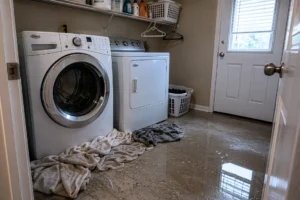
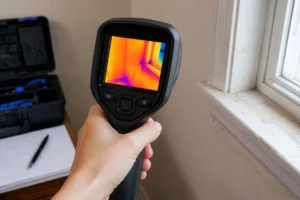
- Identifying stains, odors, moisture concerns, or maintenance issues before reopening
Once the checklist is built, the next step is assigning responsibility. Some tasks may be handled by in-house staff, while larger jobs may be better suited for professional equipment and a dedicated cleaning crew.
Floors Often Need the Most Attention
School floors carry the evidence of the entire year. Dirt, salt, spills, scuffs, gum, dust, and tracked-in debris can build up in classrooms, hallways, gyms, cafeterias, and restrooms. Summer break is the right time to clean floors thoroughly because furniture can be moved, hallways can be cleared, and drying time can be planned without disrupting daily schedules.
Different flooring materials require different methods. Vinyl composition tile, ceramic tile, carpet, rubber flooring, and gym surfaces should not all be treated the same way. Using the wrong cleaning method can leave residue, damage finishes, or shorten the life of the material.
Restrooms and Shared Areas Deserve Extra Planning
Restrooms, cafeterias, nurse areas, entryways, and common spaces need careful attention because they affect both cleanliness and perception. When these spaces look neglected, the entire building can feel poorly maintained.
Restrooms should be cleaned with attention to fixtures, partitions, floors, walls, drains, dispensers, and odor sources. Cafeterias and shared spaces should be reviewed for food residue, sticky surfaces, trash buildup, and worn traffic paths. These areas may also benefit from closer coordination with maintenance teams if leaks, ventilation problems, damaged grout, or recurring odors are discovered.
That kind of coordination can help schools align daily cleaning needs with broader school cleaning and maintenance procedures that support indoor air quality and long-term building care.
Know When to Bring in Professional Support
Some summer cleaning tasks are manageable for school staff. Others require time, equipment, staffing, or cleaning methods that may be difficult to handle internally during a short break. Professional support can be especially helpful for floor care, large common areas, detailed restroom cleaning, post-construction cleaning, odor concerns, or buildings that need a full reset before reopening.
CareMaster offers professional cleaning services for schools and other facilities throughout North Carolina. A professional cleaning team can help prioritize high-impact areas, work around reopening timelines, and support a cleaner return for students, teachers, administrators, and staff.
Start the School Year With a Cleaner Building
A strong summer cleaning plan helps schools reopen with fewer distractions and a cleaner environment for everyone using the building. By focusing on classrooms, restrooms, floors, shared spaces, and maintenance concerns before students return, schools can start the year with a building that feels organized, cared for, and ready for daily use. If your school needs help preparing for the new academic year, CareMaster can provide professional cleaning support tailored to your building and schedule.