Commercial water damage risks can rise during summer as heavy rain, high humidity, HVAC strain, plumbing use, and roof drainage issues put added pressure on commercial properties. For businesses, even a small water problem can disrupt operations, damage inventory, affect tenants or customers, and create costly repair delays if it is not addressed quickly.
Why Summer Creates Added Risk for Commercial Properties
Summer weather can be hard on commercial buildings. In North Carolina, strong thunderstorms, humid air, heavy downpours, and frequent HVAC use can all expose weak points in a property. Offices, retail spaces, restaurants, medical buildings, warehouses, and multifamily facilities may each face different risks, but the pattern is often similar: water enters or collects where no one notices until damage has already spread.
1. Roof Leaks After Heavy Rain
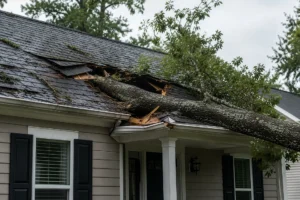
Roof leaks are one of the most common sources of commercial water damage during summer. Flat and low-slope roofs can be especially vulnerable when drains are clogged, seams are worn, flashing is damaged, or ponding water remains after storms.
A small roof leak may first appear as a stained ceiling tile, a damp wall, or water dripping near lights or vents. In some buildings, water can travel along roof decking, insulation, or ceiling grids before it shows up inside the occupied space.
Property managers should watch for ceiling stains after storms, discolored ceiling tiles, damp insulation, water near interior walls, or musty odors in upper floors and storage areas. If roof leaks are recurring, the issue should be investigated before another storm expands the damage, disrupts operations, and leads to more costly repairs.
2. HVAC Condensation and Drainage Problems
During summer, HVAC systems run harder and handle more moisture. That makes condensate pans, drain lines, air handlers, and mechanical rooms important inspection points.
When a condensate drain clogs or a pan overflows, water can leak into ceilings, walls, utility rooms, or tenant spaces. In larger buildings, the source may not be obvious right away because HVAC equipment is often located above ceilings, in closets, on rooftops, or in mechanical areas away from daily traffic.
A small drainage issue can become a larger restoration problem if moisture reaches drywall, insulation, flooring, or electrical components.
3. Plumbing Leaks in Restrooms, Kitchens, and Break Rooms
Commercial plumbing gets steady use, and summer traffic can increase that demand in certain properties. Restrooms, kitchens, break rooms, janitorial closets, and utility sinks are common places for leaks to begin.
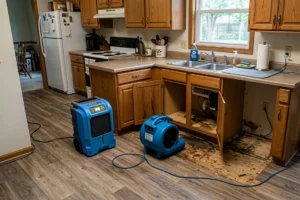
Unlike a dramatic pipe burst, many plumbing problems start quietly. A loose supply line, leaking toilet seal, slow drain backup, or worn shutoff valve may release enough water to damage flooring, cabinets, baseboards, or nearby walls without drawing immediate attention.
Routine walkthroughs should include a quick check beneath sinks, around toilets, near ice makers, and along walls shared with plumbing lines. Businesses that rely on kitchens, customer restrooms, or employee break areas should be especially proactive because water damage in those spaces can interrupt normal operations quickly.
4. Poor Drainage Around Entrances and Foundations
Summer storms can overwhelm exterior drainage systems around commercial properties. If gutters, downspouts, yard drains, loading areas, or parking lot drains are blocked, water may collect near doors, slab edges, crawl spaces, or foundation walls.
This is a common issue for retail centers, offices, churches, restaurants, and small business properties with large roof areas or paved surfaces. Water that pools near the building can enter through thresholds, expansion joints, exterior wall gaps, or low entry points.
Repeated moisture around the foundation can contribute to musty odors, damp flooring, and hidden water intrusion over time. A summer maintenance plan should include exterior drainage checks before and after major storms.
5. Delayed Discovery in Low-Traffic Areas
Some of the most expensive commercial water damage occurs in spaces people do not inspect often. Storage rooms, mechanical rooms, vacant suites, utility closets, back hallways, and rarely used offices may hide leaks for days or weeks.
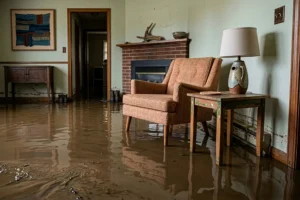
That delay can change the scope of the loss. Materials that might have dried quickly with early response may instead become saturated, stained, or contaminated. Inventory, records, office equipment, and building finishes may also be affected before anyone realizes there is a problem.
This is where planning matters. Businesses should assign responsibility for checking low-traffic areas, especially after heavy rain, HVAC service calls, plumbing complaints, or long holiday weekends. A broader business continuity planning process can also help companies think through how water damage could affect operations, staffing, customer access, and reopening timelines.
Responding Quickly Protects the Business
When water damage affects commercial properties, the response needs to account for more than wet materials. Business interruption, tenant communication, customer safety, equipment protection, and insurance documentation may all become part of the recovery process.
CareMaster provides commercial property damage restoration for businesses dealing with water damage in offices, retail spaces, facilities, and other commercial environments. Our team can inspect affected areas, document the damage, begin mitigation, and help reduce disruption while the restoration process moves forward.
Protect Your Property Before Water Damage Spreads
Commercial water damage can begin with a small roof leak, clogged HVAC drain, plumbing issue, drainage problem, or unnoticed leak in a low-traffic area. During summer, those risks can rise quickly. If your business or commercial property has signs of water intrusion, CareMaster can help assess the damage, dry affected materials, document the loss, and support a faster, more organized recovery