Moisture mapping helps restoration teams find hidden water damage, understand how far water has spread, and monitor drying progress after a leak, flood, or plumbing failure. Without it, wet materials may be missed because surfaces can look dry while moisture remains inside walls, floors, ceilings, trim, insulation, or subflooring.
Moisture Mapping Reveals Hidden Water
Water rarely stays in one neat area after a loss. It follows gravity, seams, gaps, framing, flooring layers, and porous materials. A supply line leak in one room may affect the wall behind it. A roof leak may travel along framing before appearing as a ceiling stain. A toilet overflow may reach baseboards, wall cavities, and nearby flooring before anyone realizes how far it moved.
Moisture mapping helps turn that uncertainty into a clearer picture. Instead of guessing based on visible damage, restoration professionals check affected and nearby materials to determine where moisture is present and where drying should be focused.
Why Surfaces Can Be Misleading
One of the biggest problems after water damage is that surfaces can dry before the materials underneath are safe. Flooring may feel dry while the subfloor remains wet. Drywall may look normal while moisture is trapped behind the paint layer. Cabinets, trim, and insulation can also hold water after the visible puddle has been removed.
That hidden moisture can create long-term issues if it is missed. Materials may swell, weaken, stain, separate, or develop musty odors. Moisture trapped inside building materials can also create conditions for microbial growth.
This is why moisture mapping is part of a proper water damage restoration process, not an optional extra. It helps restoration teams understand the full scope of the problem before repairs begin.
What Restoration Teams Check
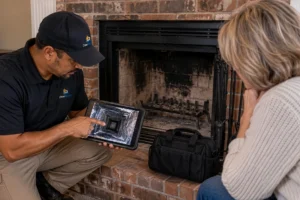
Moisture mapping may involve several inspection tools and methods, including moisture meters and thermal imaging, depending on the property, the water source, and the materials affected.
Common areas checked during moisture mapping include:
- Drywall near the source of water
- Flooring and subflooring
- Baseboards, trim, and door casings
- Ceilings below bathrooms, roofs, or HVAC equipment
- Cabinets and toe-kick areas
- Insulation and wall cavities when accessible
- Adjacent rooms where water may have traveled
The goal is to compare normal moisture levels with areas that appear elevated so the team can identify what has been affected.
Moisture Mapping Helps Guide Drying
These readings also help guide the drying process. Drying equipment is most effective when it is placed based on the actual moisture pattern. Air movers, dehumidifiers, containment, and other drying methods need to target affected materials, not just the area where water was first seen.
Moisture mapping helps answer practical questions:
- Where did the water start?
- How far did it spread?
- Which materials are still wet?
- What can be dried in place?
- What needs removal?
- When has drying reached the right point?
Those answers help reduce unnecessary demolition while also lowering the risk of leaving moisture behind.
Moisture Readings Support Insurance Claims
Moisture mapping also creates a record of the damage. Photos, diagrams, moisture readings, and drying logs help show what materials were affected and how the drying process progressed.
This documentation can be useful during insurance communication because it explains why certain areas needed professional drying, cleaning, and/or repairs. For property owners, clear records reduce guesswork. Instead of relying only on memory or appearance, the restoration file shows what was found and how the response was handled.
Moisture Mapping Helps Prevent Long-Term Damage
Water damage is not always obvious—if not identified and dried properly, repairs may fail or secondary problems may appear later. Moisture mapping gives property owners and restoration teams a clearer path forward by showing where moisture traveled, what materials were affected, and whether the drying process is working.
If you notice signs of hidden water damage, such as musty odors, staining, soft flooring, or recurring moisture, it is worth having the property inspected by a restoration specialist like CareMaster. Our team can inspect the property, map the moisture, dry affected materials, and guide the restoration process from start to finish.