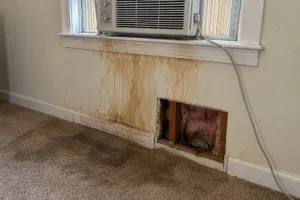
To decrease humidity in your home, start by reducing indoor moisture sources, improving ventilation, and using dehumidification where damp air tends to collect. During North Carolina summers, excess indoor moisture can affect comfort, encourage mold growth, and leave materials feeling damp. A steady humidity control plan helps protect your home before musty odors, condensation, or visible mold appear.
Why Indoor Humidity Matters
Indoor moisture problems are easy to miss at first. A room may feel sticky, smell musty, or take longer to cool before there is any visible staining. That is because humidity affects the air first, then surrounding materials. Drywall, carpet, wood trim, insulation, and upholstered furniture can all hold moisture when indoor humidity stays elevated.
Mold prevention depends heavily on moisture control. The EPA’s guidance on how to control indoor mold growth focuses on fixing moisture problems rather than simply cleaning visible growth. That same principle applies to everyday humidity. The source of the moisture matters as much as the number on a humidity meter.
What Your Humidity Reading Means
A humidity reading gives you a useful starting point, but the number should be compared with what is happening inside the home. If humidity is high only after showers or cooking, the issue may be ventilation. If the whole house feels damp for days, the problem may involve HVAC performance, crawl space moisture, air leaks, or wet building materials.
Condensation is one of the clearest signs that indoor moisture is too high for the conditions in the home. Windows, ductwork, walls, ceilings, and supply vents may collect moisture when warm humid air meets a cooler surface. If that moisture keeps returning, the home needs more than a quick wipe-down.
Improve Airflow First
To decrease humidity effectively, ventilation should focus on the rooms that create the most moisture. Bathrooms need working exhaust fans that vent outdoors. Kitchens need range hoods or ventilation when steam is produced. Laundry areas need dryer vents that are clear, connected, and moving damp air outside the home.
Opening windows is not always the best answer in summer. Outdoor air in North Carolina can be extremely humid, and bringing that air indoors may make the house feel worse. Controlled ventilation is usually more effective than simply adding outside air.
Air movement inside the home also matters. Rooms with closed doors, blocked returns, or poor circulation can stay damp even when the rest of the house feels comfortable. If one room consistently smells musty or feels humid, that room may need closer inspection.
Use Dehumidifiers Wisely
A portable dehumidifier can help reduce indoor moisture in problem areas such as basements, utility rooms, enclosed storage areas, and rooms near crawl space access. It should be sized for the space, drained properly, and cleaned regularly so it does not become part of the problem.
However, a dehumidifier should not be used as a long-term cover for water intrusion. If humidity keeps returning after the unit runs, something may be adding moisture to the home. Common sources include plumbing leaks, roof leaks, damp crawl spaces, clogged AC drain lines, wet insulation, poor drainage, or air conditioning equipment that is not removing enough moisture.
When humidity problems are tied to mold concerns, CareMaster can provide professional mold remediation services and help determine whether affected materials need professional cleaning, removal, or containment.
Check Your AC System
Air conditioning can reduce indoor humidity, but only when the system is running properly. If the unit short-cycles, struggles to drain, has clogged filters, or is not matched well to the home, it may cool the air without removing enough moisture.
Homeowners should pay attention to damp supply vents, water around the air handler, musty odors when the system starts, or rooms that feel cool but clammy. These signs can point to an HVAC or drainage issue that affects indoor moisture. A qualified HVAC professional can evaluate system performance, while a restoration professional may be needed if materials have already become wet or mold is suspected.
When Moisture Becomes a Mold Risk
Humidity is often treated as a comfort issue, but it can become a property damage issue when damp conditions persist. Musty odors, staining around vents, bubbling paint, soft flooring, and recurring condensation are all signs that moisture may be affecting materials.
Attics can also trap moisture when ventilation, insulation, or roof conditions are not working properly. If upper-level odors or roof sheathing stains are part of the concern, reviewing common attic mold warning signs can help homeowners understand what to watch for before the problem spreads.
Decrease Humidity This Summer
The best way to decrease humidity is to control moisture where it starts, move damp air out of high-moisture rooms, and investigate recurring odors, condensation, or damp materials instead of waiting for visible mold. If humidity problems have already led to mold concerns in your home, CareMaster can inspect the affected area, explain the next steps, and help restore cleaner, drier indoor conditions.