Resources

Categories
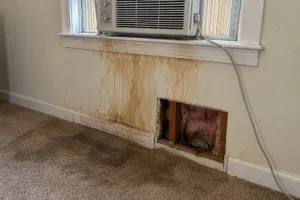
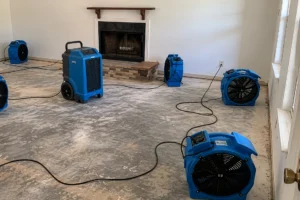
structural drying equipment preventing long-term water damage inside a NC home kitchen
Water Damage

How Structural Drying Prevents Long-Term Water Damage

Structural drying prevents long-term water damage by removing moisture trapped inside floors, walls, framing, cabinets, and other building materials after a water loss. Removing visible water is only the first step. If hidden moisture remains, it can lead to swelling,

Read More »
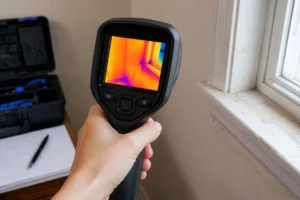
homeowner inspecting ceiling water damage inside an NC home
Water Damage

How to Spot Ceiling Water Damage Before It Spreads

Ceiling water damage often starts as a small stain, soft spot, or discoloration before it spreads into drywall, insulation, framing, and nearby walls. Because the source may be above the ceiling, early inspection matters. Spotting the warning signs quickly can

Read More »
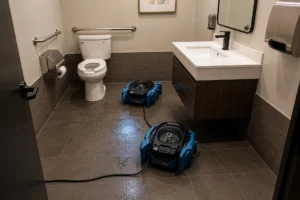
commercial water extraction and water damage cleanup in Durham, NC office space
Case Studies

Case Study: Commercial Water Damage Cleanup in Durham, NC

Commercial water damage can interrupt daily operations quickly, especially when water reaches flooring, walls, inventory, equipment, or shared work areas. This Durham, NC case study explains how fast cleanup, controlled drying, documentation, and clear communication can help a business limit

Read More »
Greenville, NC couple attempting DIY bathroom remodeling but considering hiring a professional
Remodeling & Renovation

DIY Bathroom Remodeling vs. Hiring a Professional

Bathroom remodeling can be handled as a DIY project in limited situations, but larger bathroom updates often require professional help. Plumbing, waterproofing, ventilation, electrical work, permits, and hidden damage can all affect the final result. Before choosing between a diy

Read More »
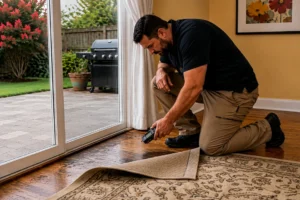
homeowner discovering summer condensation on a window causing mold problems in a North Carolina home
Mold

Why Summer Condensation Can Lead to Mold Problems

Summer condensation can create mold problems when warm, humid outdoor air meets cooler indoor surfaces such as windows, walls, vents, and trim. In North Carolina homes, this often happens during hot weather when air conditioning lowers surface temperatures while indoor

Read More »