Professional cleaning is often needed when textiles have been affected by fire damage, smoke, soot, water damage, or contaminated moisture. Clothing, curtains, rugs, upholstered furniture, bedding, and other soft materials can absorb odors and residues quickly. Some items can be restored, but others need careful evaluation before anyone tries to wash, dry, or reuse them.
Why Textiles Need Special Attention
Textiles are different from hard surfaces because they can hold moisture, soot, odor, and contaminants deep in the fibers. A table can often be wiped down and inspected visually. A fabric sofa, area rug, or box of clothing may hide damage below the surface.
After water damage, soft materials can stay damp long after the room looks dry. After fire damage, smoke odor can settle into fabric even if the item was not close to the flames. That is why professional cleaning may be needed before deciding whether the item can be safely kept.
CareMaster’s contents restoration and cleaning services help property owners evaluate affected belongings, separate restorable items from non-restorable items, and clean salvageable contents after fire, smoke, or water damage.
Fire-Damaged Textiles
Smoke can move through a building quickly. It can pass through rooms, closets, storage areas, and HVAC pathways before settling into porous materials. Textiles often absorb that smoke odor and may also collect soot particles on the surface or within the weave.
Common fire-affected textiles may include:
- Clothing stored in closets or drawers
- Curtains, drapes, and fabric blinds
- Upholstered chairs and sofas
- Area rugs and carpeted materials
- Bedding, towels, and linens
- Fabric toys, cushions, and decorative items
Some of these items may be cleaned with the right process. Others may be too heavily damaged, contaminated, or odor-affected to restore.
Water-Damaged Textiles
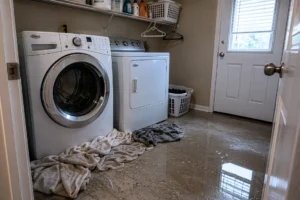
Water damage creates a different kind of concern. Textiles that remain wet can develop musty odors, staining, dye transfer, material breakdown, and microbial growth. The longer a damp item sits, the harder it may be to restore.
The source of the water also matters. A clean water leak from a supply line is not the same as a sewage backup, floodwater, or water that passed through contaminated building materials. Textiles affected by contaminated water may not be safe to clean or reuse.
Upholstered furniture and soft contents should also be evaluated carefully. Even when the outer fabric looks acceptable, padding and internal materials may still hold moisture. This is one reason restoring water-damaged furniture can require more than surface drying.
When Professional Cleaning Is the Better Option
Professional cleaning is usually the better option when textiles have absorbed smoke odor, soot, heavy moisture, or questionable contamination. These materials may need specialized cleaning methods, controlled drying, deodorization, or careful handling.
Professional evaluation is especially important when:
- The item has sentimental, business, or replacement value
- Smoke odor remains after basic airing out
- Soot is visible on fabric or upholstery
- The textile was wet for more than a short period
- The item may have been exposed to contaminated water
- Mold, staining, or dye transfer is visible
- The material cannot be replaced easily
Trying to clean affected textiles too quickly can make the damage worse. Heat from a dryer can set stains and odors. Scrubbing soot can push residue deeper into the fibers. Storing damp items in bags or bins can trap moisture and create additional odor or mold concerns.
When Items May Not Be Safe to Keep
Not every textile should be cleaned. Some items may need to be discarded if they were exposed to heavy soot, sewage, floodwater, chemical residue, mold growth, or high heat. Baby items, medical textiles, heavily contaminated bedding, and items with persistent odor may need extra caution.
CareMaster’s certified technicians are trained to help property owners determine what can be cleaned and restored versus what may need to be thrown away after a fire or water damage loss. When there is uncertainty, it is better to separate the item, avoid using it, and let a restoration professional evaluate whether cleaning is realistic.
What to Do Before Cleaning Textiles Yourself
After fire or water damage, property owners should avoid rushing affected textiles into the washer or dryer. The safest first step is to separate clean items from affected items and keep damaged belongings dry and ventilated when possible.
Do not scrub soot, apply household cleaners, spray perfumes, or seal damp items in plastic bags. Take photos before moving items, keep receipts for emergency purchases, and make notes about where damaged belongings were located. Documentation can help with the restoration process and may also be useful for insurance communication.
Protect Belongings After Fire or Water Damage
Professional cleaning can make a major difference when textiles have been exposed to smoke, soot, water, odor, or moisture. The right approach can help determine what is restorable, what needs replacement, and what should not be handled without proper care.
If your home or business has fire-damaged or water-damaged textiles, CareMaster can help evaluate affected contents, clean salvageable items, remove odor, document damage, and guide the contents restoration process from cleanup through recovery.