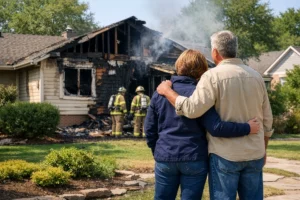
Commercial flood restoration was needed after floodwater from the Pamlico River entered a restaurant just off the historic Washington, NC riverfront. The event caused extensive water damage in the restaurant’s dining and storage areas, disrupting business operations for several weeks. CareMaster responded to remove floodwater, evaluate contamination concerns, dry affected materials, repair the structure, and help the restaurant move toward reopening.
Waterfront Property Risks
Businesses near a waterfront face the usual water damage risks, such as plumbing leaks or appliance failures, but they also have an added concern with potential flood damage. When a nearby body of water floods, water can enter the building and carry mud, debris, bacteria, chemicals, and other contaminants inside.
For this Washington restaurant, its location along the Pamlico River made it especially vulnerable when a powerful storm caused water levels to rise and penetrate the establishment. When these types of large loss events happen, professional water damage restoration is usually needed. That’s why the restaurant owner called CareMaster to extract remaining floodwater and begin the cleanup process.
What the Flood Affected
The water entered the restaurant at floor level and spread across multiple areas before receding. Even shallow floodwater can create a wide restoration scope because it can move under flooring, wick into drywall, reach baseboards, soak trim, and leave contamination behind.
CareMaster evaluated the restaurant for visible damage and hidden moisture. The affected areas included dining room flooring, lower wall materials, baseboards, storage areas, and some furniture or contents near the floor. Any porous materials that absorbed floodwater required special attention because river flooding is not treated like a clean water spill.
The restaurant owner also needed to think beyond the visible damage. A floor might look dry after water recedes, while moisture remains trapped under materials or behind wall surfaces. That is why moisture mapping was part of the early response.
How the Water Source Changes the Approach
Water from a river flood creates contamination concerns that change the approach to restoration. Floodwater may contain soil, sewage, fuel residue, pesticides, bacteria, and other materials picked up along the way. This type of black water damage affects what can be dried, what must be removed, and what safety steps are needed.
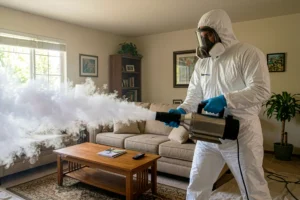
For a restaurant, those concerns matter even more due to the nature of the business. CareMaster could not treat this as a typical water damage job. Instead, the restoration plan had to follow careful flood cleanup and drying guidelines to verify the building’s cleanliness and safety before reopening.
Creating a Flood Restoration Plan
Once floodwater recedes, the first priority is removing any remaining standing water. From there, the drying process focuses on finding and removing hidden moisture that may be trapped behind walls, under flooring, or inside building materials.
Wet baseboards, drywall, insulation, and flooring can hold moisture long after the visible water is gone. If those materials are left in place without proper drying, the building may face long-term damage, including mold. In many flood losses, sections of flooring, baseboards, or drywall may need to be removed so air can reach the affected areas.
Air movers and dehumidifiers are then strategically placed to draw moisture out of the structure. Throughout the drying process, technicians take moisture readings to track progress and confirm when affected materials have reached acceptable drying levels.
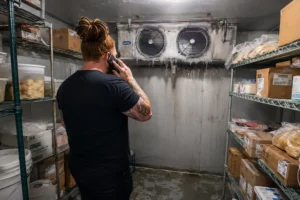
CareMaster followed this exact sequence to dry the affected areas and prepare the restaurant for structural repairs. Seating, furniture, and contents near the floor were also evaluated for flood damage and contamination. Some items were able to be dried, cleaned, and stored at our Greenville contents facility while the building was restored. Other items, such as built-in booths, had to be replaced since they could not be safely cleaned.
Operational Impact
A flooded restaurant is not just a structural problem. Employees can lose vital work hours, while owners and managers are left juggling staffing decisions, inventory concerns, lost revenue, and growing financial pressure.
Every day a business remains closed matters, but reopening too quickly can create larger problems if moisture or contamination remains.
That is why post-flood building restoration should follow proper cleaning, drying, and hazard-control steps before allowing employees, occupants, or customers back inside.
From Flooded Floors to Open Doors
After CareMaster completed the flood damage cleanup and mitigation process, the restaurant was able to reopen and welcome customers back through its doors. If your business is in need of commercial water damage restoration in Washington, NC or surrounding areas, CareMaster can provide the structure and support needed to move from damage response to full recovery.