Smoke odor removal after a fire depends on how far the odor has spread, what materials were affected, and whether smoke residue is still trapped inside the home. DIY methods can help with very light odor in limited areas, but deeper contamination usually requires professional equipment and a more thorough process. Knowing where that line is can help homeowners avoid wasting time on fixes that only mask the problem.
When DIY Smoke Odor Removal May Help
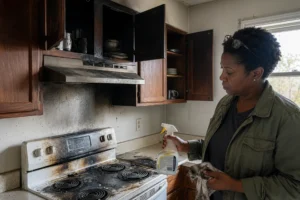
DIY smoke odor removal can be useful when the fire was minor, the affected area was small, and the smoke exposure was limited. In those situations, opening windows, improving airflow, washing hard surfaces, and laundering washable fabrics may reduce lingering odor.
This works best when the smoke has not spread far into porous materials. Light odor on non-porous surfaces is very different from smoke that has worked its way into insulation, subfloors, upholstery, or HVAC components. Once that happens, the smell tends to stay put no matter how many candles, sprays, or bowls of baking soda get thrown at it.
Why Smoke Odor Often Lingers
Smoke odor removal is difficult because the smell does not come only from the air. It comes from residue left behind on surfaces and inside materials throughout the home. Walls, ceilings, cabinets, curtains, carpet, and soft furnishings can all absorb smoke particles.
If those particles are not removed properly, the odor can return even after the room seems better for a day or two. Heat, humidity, and airflow can reactivate residual odor, which is why some homeowners think they solved the problem until the house starts smelling smoky again during the next warm afternoon.
That is also why smoke damage insurance coverage becomes important for many homeowners early in the process. Odor problems that seem cosmetic at first can point to a broader fire and smoke damage claim.
Signs DIY Is Probably Not Enough
Some situations go beyond basic cleaning very quickly. DIY efforts are less likely to solve the problem when:
- Smoke odor is present in multiple rooms
- Soot is visible on ceilings, walls, or contents
- The HVAC system circulated smoke through the house
- Upholstery, carpet, or insulation absorbed the odor
- The smell returns after routine cleaning
In those cases, the issue is usually not just surface odor. It is embedded contamination that needs a more controlled approach.
What Professional Smoke Odor Removal Does Differently
Professional smoke odor removal is not just a stronger version of wiping things down. It starts with identifying where smoke residue settled and which materials can be cleaned, restored, or replaced. From there, technicians use methods designed to remove odor at the source rather than cover it up.
That may include detailed cleaning of affected surfaces, filtration equipment, and odor treatment methods suited to the structure and contents involved. For broader losses, fire and smoke damage repair services can also address the underlying damage tied to the odor problem, not just the smell itself.
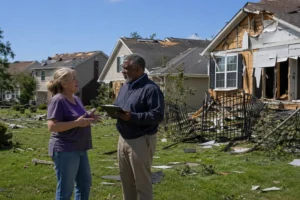
This is especially important after a more serious fire because smoke particles can travel farther than most people expect. Even rooms that look untouched can hold odor if smoke moved through open doorways, return vents, or shared air space.
Why Indoor Air Quality Matters
Odor is often the first thing homeowners notice, but it is not the only concern after a fire. Smoke residue can affect indoor air quality, especially when particles remain in dust, ductwork, or porous materials. That means the goal is not just making the house smell better. It is helping the indoor environment return to a safer and more livable condition.
For a broader overview of indoor air quality and smoke odor considerations, homeowners can review EPA guidance on how smoke-related contamination affects indoor spaces and why proper cleanup matters.
How to Decide Which Approach Makes Sense
The simplest way to think about it is this: DIY is most appropriate for light odor, small areas, and very limited smoke exposure. Professional smoke odor removal makes more sense when the odor is widespread, the fire affected multiple materials, or the smell persists after basic cleaning.
Homeowners should also factor in time, frustration, and the risk of incomplete cleanup. A few low-cost DIY steps may be worth trying in a very minor situation, but repeated cleaning that does not solve the problem often ends up costing more in time and stress than calling for help sooner.
Get Rid of the Odor at the Source
Smoke odor removal works best when the real source of the smell is identified and treated properly. If the odor is light and isolated, DIY cleaning may help. If it is persistent, widespread, or tied to deeper fire damage, a professional approach is usually the better path. CareMaster can assess the extent of smoke contamination, explain what can be cleaned or restored, and help you move toward a home that smells clean because it actually is clean.