Mold in HVAC ducts can develop when moisture, dust, and poor airflow create conditions for growth inside the system. HVAC moisture may come from condensation, clogged drainage, duct leaks, pressure problems, or humid attic or crawl space air being pulled into the system. Once moisture and debris are present, air duct mold can become a recurring indoor air quality concern.
Mold in HVAC Ducts Starts With Moisture
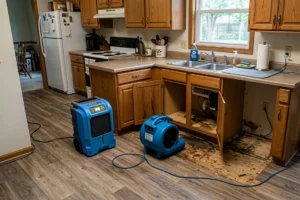
Dirty ducts alone are not usually the main problem. Mold needs moisture to grow, and in an HVAC system, that moisture often shows up around the coils, condensate drain, air handler, plenum, or leaky ductwork. Condensation and pressure imbalances work together to create damp conditions that are perfect for microbial growth.
Dust and debris do, however, make the problem worse. Particles that collect inside ducts, plenums, and air handlers can give mold a surface to develop on when moisture is present. Once the source of the moisture has been addressed, all surfaces should be properly cleaned, treated, or replaced.
Warning Signs Around the HVAC System
Homeowners may notice musty odors when the system turns on, visible growth around vents, recurring dust, damp insulation near ductwork, or moisture near the air handler. Rooms may also feel humid even when the system is running.
These signs do not always confirm mold in HVAC ducts, but they do mean the system should be inspected. They may point to air duct mold, duct leakage, poor filtration, inadequate drainage, or humidity problems elsewhere in the home.
Taking steps to decrease the humidity in your home can reduce HVAC moisture, thereby lowering the chances of mold development in or around the system.
What a Comprehensive HVAC Inspection Should Include
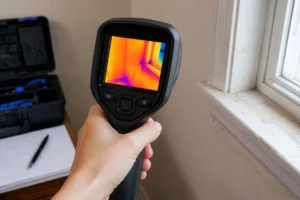
A proper inspection should look beyond the supply vents. Mold in HVAC ducts may be visible at a register, but the source can start deeper in the system. The air handler, plenum, ductwork, and pressure conditions all need attention because moisture and contamination can move through more than one part of the system.
A comprehensive inspection should include:
- Inside the air handler: The fan and coils inside the air handler should be checked for microbial growth. If present, it should be treated by a qualified professional.
- Inside the plenum: The plenum, which connects your heating and cooling equipment to the main ductwork, should also be checked for microbial growth. If a contaminated plenum cannot be properly cleaned and restored, replacement may be needed.
- Air ducts: Air ducts should be tested for sealing failures, especially in attic or crawl space areas. Leaky ductwork can pull attic air, dust, insulation particles, and humidity into the house.
- Photo documentation: Ask the HVAC professional to take pictures of each inspection step, as well as any repairs completed. These photos are especially important if an insurance claim is being filed.
When possible, it is generally better for the air handler to be located in a closet inside the conditioned space of the home rather than in an attic or garage, where heat, humidity, and leakage can create additional problems.
What About UV Lights and Ozone?
UV lights can be used to help inactivate microorganisms in some HVAC systems, but they are not a replacement for remediation. They can also be expensive, so homeowners should not rely solely on UV lights as a solution.
Ozone-generating devices should not be used in the HVAC system or inside the home. Ozone can irritate the lungs, and according to the EPA, ozone used at levels that meet public health standards does not effectively remove mold, bacteria, viruses, or other biological pollutants from indoor air.
Older Homes Need Extra Caution
If your home was built before 1978, HVAC or mold-related work may require additional safety checks. Older homes should be inspected for potential hazards such as asbestos building materials, asbestos-wrapped ductwork, fiberglass furnace ductwork, and lead-based paint before materials are disturbed.
This is especially important if ductwork, wall materials, insulation, or mechanical areas need cleaning, removal, or replacement.
Get Help With Air Duct Mold
If you notice musty odors coming from your vents, have ongoing humidity problems, or see visible growth around HVAC components, you may have mold in your HVAC ducts or system. CareMaster’s IICRC-certified mold remediation team can help evaluate these concerns and guide the next steps if contamination is confirmed. We will work with a licensed HVAC contractor to help identify moisture sources, recommend the appropriate corrections, and provide professional mold treatment and cleaning for affected areas.