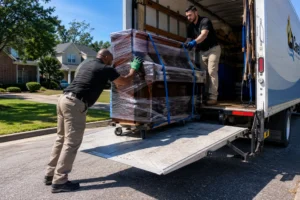
A home renovation can leave you wondering where to put furniture, clothing, electronics, and everyday belongings while work is underway. Depending on the size of the project, you may be able to use an unaffected room, rent a storage unit, or arrange professional packing and off-site storage. The right choice keeps items protected from dust, moisture, accidental damage, and the disruption of ongoing construction.
Keeping Belongings at Home
For a small project, moving items into a bedroom, office, or other room outside the work area may be the easiest solution. It avoids rental fees and keeps frequently used belongings nearby. This works best when the renovation is limited to one space and the rest of the house will remain clean and accessible.
The challenge is that construction dust does not always stay where work is happening. Sanding drywall, cutting materials, and removing flooring can send fine particles into adjacent rooms. Furniture covers and dust barriers help, but they are not a substitute for keeping delicate or valuable items away from active construction.
Before committing to on-site storage, discuss the work sequence with your contractor. Even with professional home renovation services, a room that seems available at the start may be needed later for flooring, painting, or access to utilities. Keep exits, hallways, and ventilation openings clear.
Renting Storage Space
A self-storage unit offers more breathing room when spare bedrooms and garages are already full. It can also reduce the need to shuffle boxes and furniture from one room to another as the renovation moves forward.
Consider more than the monthly rental price. The cost of storing belongings during a home renovation may also include transportation, packing materials, insurance, and the time needed to load and unload everything. Check the unit’s dimensions, access hours, security features, and whether climate-controlled space is available.
Temperature and humidity matter for wood furniture, electronics, artwork, photographs, and certain fabrics. A standard unit may be suitable for some items, but sensitive belongings can benefit from a more stable indoor environment. Make sure anything you store is clean and completely dry before packing it away.
Home Renovation Storage Priorities
The type of work matters just as much as the amount of space available. Repainting one room is different from removing cabinets, replacing floors throughout the house, or opening walls after water damage. Projects that involve significant dust, demolition, or several rooms may call for off-site storage rather than moving belongings around the house.
Think about how long items will be unavailable, too. Seasonal decorations can stay packed for months, but medications, work equipment, important documents, and daily necessities should remain accessible. Separate those essentials before packing begins so they do not disappear into a stack of boxes.
CareMaster’s Contents Team
For homeowners who would rather not manage packing, moving, and storage themselves, CareMaster’s contents team provides another solution. Our team can carefully pack and protect furniture and household belongings, then move them out of the renovation area for storage at one of our climate-controlled facilities in Greenville or Morrisville, North Carolina.
This option can be particularly valuable during whole-home renovations, extensive remodeling, or repairs that affect several rooms at once. Instead of leaving sofas, tables, boxed possessions, and other contents crowded into the remaining living space, homeowners can have them stored away from construction dust, debris, and daily work activity.
Proper packing matters as much as the storage location. Furniture needs suitable protection against scuffs and handling damage, while fragile items should be packed with materials appropriate to their shape and weight. CareMaster’s contents team can help manage those practical details, making it easier for the renovation work to proceed without belongings constantly being moved out of the way.
Our approach to professional packing and storage of household belongings is also useful when a property needs substantial repairs after damage. For planned renovations, the same central benefit applies: belongings have a protected place to stay while work continues at home.
Getting Ready to Move
Whichever option you choose, take time to sort belongings before the project starts. Remove items you no longer need, photograph valuable pieces, and keep a simple record of what goes into storage. Clearly identify boxes that contain fragile items or belongings you may need before the work is finished.
Plan around the contractor’s schedule rather than the first day of demolition alone. Large furniture may need to leave before protective barriers or equipment are installed. If the work timeline changes, confirm whether your storage arrangement can accommodate an extended stay without creating another moving problem.
Make Space for the Work
A renovation is easier to manage when furniture and belongings are not competing for space with workers, tools, and building materials. If you need a safe place for your belongings while your home is being renovated, contact CareMaster to discuss how our contents team can help protect and store them until the space is ready again.