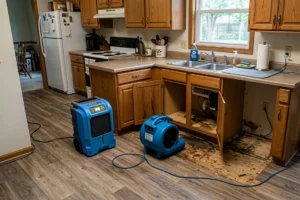
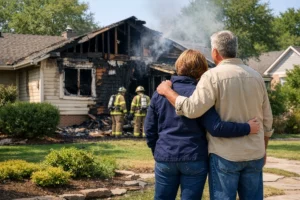
A contents packout is the process of carefully removing belongings from a property after damage so they can be documented, cleaned, stored, and protected while restoration work is completed. After water, fire, smoke, or storm damage, a packout can help prevent further loss, support insurance documentation, and make the damaged structure safer and easier to restore.
When a Packout Is Needed
A packout may be needed when personal belongings, furniture, electronics, documents, clothing, or household items are in the way of cleanup and repair work. It is also helpful when items have been exposed to water, soot, smoke odor, mold concerns, or debris and need to be evaluated outside the damaged area.
The goal is not simply to move boxes out of the house. A professional contents packout creates an organized record of what was removed, where it came from, what condition it was in, and what should happen next. CareMaster’s contents restoration services help homeowners and business owners protect belongings during property damage cleanup and restoration.
What Gets Removed
The items included in a packout depend on the type of damage, the affected rooms, and the restoration plan. In some cases, only one room needs to be cleared. In others, a larger portion of the home or business may need to be packed, inventoried, and moved to storage.
Common packout items may include furniture, rugs, artwork, framed photos, dishes, small appliances, clothing, books, electronics, business records, tools, and décor. Large furniture may be wrapped and moved separately, while smaller items are boxed and labeled. Fragile items require extra protection so they can be transported safely.
Not every item can be saved after property damage. Porous belongings, heavily contaminated materials, or items exposed to prolonged moisture may need to be discarded. That decision depends on the material, the type of damage, the exposure time, and whether cleaning would be safe or practical.
The Packout Process
A contents packout should follow a clear order so belongings do not become lost, mixed up, or poorly documented. The process may vary depending on the loss, but it generally includes these steps:
- Inspect the affected rooms and identify items that need to be removed.
- Photograph and document belongings before they are packed.
- Separate salvageable items from items that may need disposal.
- Pack, label, and inventory belongings by room or category.
- Move items to a secure storage or cleaning area.
- Clean, deodorize, or restore items when appropriate.
- Return belongings after the property is ready.
This process helps keep contents organized while structural cleanup, drying, demolition, or reconstruction work moves forward.
Why Documentation Matters
Insurance documentation is one of the most important parts of a contents packout. After property damage, homeowners may need to show what was affected, what was removed, what could be restored, and what may need replacement. A clear inventory can reduce confusion and help support the claim process.
A home inventory is also useful before damage ever happens. This can help property owners track belongings and provide information during an insurance claim. After a loss, a professional packout builds on that same idea by documenting items as part of the restoration process.
Storage During Restoration
Once packed out, belongings may need to be stored while cleanup and repairs are underway. Climate-controlled storage at CareMaster’s Greenville or Raleigh facilities can help protect items from additional moisture, temperature swings, dust, debris, and jobsite activity. This is especially important when reconstruction, drying equipment, odor removal, or cleaning work will take time..
Storage also gives restoration crews room to work. Removing contents from the affected space can make it easier to access walls, floors, ceilings, cabinets, and other damaged materials. It can also reduce the risk of belongings being bumped, contaminated, or damaged during repairs.
Cleaning and Return
After belongings are removed, each item is handled according to its condition. Some items may only need light cleaning before storage. Others may require odor treatment, surface cleaning, specialty cleaning, or further evaluation. Items affected by water damage, smoke residue, or debris may need more careful handling before they can be returned.
The return stage should be organized as carefully as the packout. Belongings should be brought back after the damaged area has been cleaned, dried, repaired, and cleared for use. Returning items too early can expose them to dust, odors, moisture, or unfinished work.
CareMaster’s guide on how to protect valuables from water damage also explains why planning, inventory, and storage decisions matter before and after a loss.
Protect Your Belongings After Property Damage
A contents packout can help protect your belongings, support insurance documentation, and keep restoration work moving after property damage. If your home or business has been affected by water, fire, smoke, storm damage, or mold concerns, CareMaster can pack out, document, clean, store, and return contents as part of the restoration process. Contact our team for help protecting the items that matter while your property is being restored