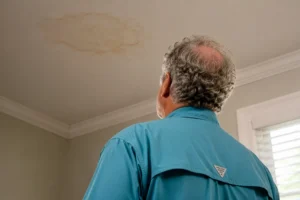
Attic mold often starts when warm indoor air, roof leaks, or poor ventilation allow moisture to collect on wood, insulation, or roof sheathing. Homeowners may not notice the problem until stains, musty odors, or visible growth appear. Understanding how attic moisture builds up can help you spot warning signs early and reduce the chance of mold spreading through your home.
Why Attic Mold Develops
Mold needs moisture, organic material, and the right temperature range to grow. An attic can provide all three if humidity is trapped long enough. Roof sheathing, rafters, cardboard storage boxes, dust, and some insulation materials can all support growth when conditions stay damp.
In North Carolina homes, attic moisture often comes from several small problems working together. A minor roof leak may wet one section of sheathing. Bathroom fans may release damp air into the attic instead of venting outdoors. Blocked soffit vents may keep humid air from escaping. Together, these issues create the kind of environment where attic mold can take hold.
This is why homeowners should treat attic moisture as more than a cosmetic concern. Mold growth usually points to an underlying moisture control issue that needs to be corrected, not simply cleaned.
Common Moisture Sources in the Attic
Most attic mold problems begin quietly. The attic is out of sight, temperature swings are common, and early moisture issues may not affect living spaces right away. Still, a few causes show up again and again during home inspections and restoration calls.
Common sources include:
- Roof leaks around flashing, vents, chimneys, or damaged shingles
- Bathroom, kitchen, or dryer vents exhausting into the attic
- Poor attic ventilation from blocked soffits or inadequate ridge ventilation
- Air leaks around light fixtures, ceiling penetrations, or attic access points
- Condensation on cold roof sheathing during seasonal temperature changes
- Wet insulation after a storm, plumbing leak, or previous water damage
After identifying a possible source, confirm whether the moisture is still active. Cleaning mold without fixing the moisture problem is a short-term patch. The growth may return.
Warning Signs Homeowners Should Not Ignore
You do not need to crawl through every inch of your attic to notice early red flags. Many warning signs are visible near the attic entrance or around the ceiling areas below the attic. A flashlight, caution, and a basic visual check can help you decide whether a professional inspection is needed.
Look for dark staining on roof sheathing, especially near the underside of the roof deck. Mold may appear black, gray, green, brown, or white depending on the surface and conditions. Staining does not always mean active growth, but it should not be brushed off without checking the moisture source.
A musty smell near the attic hatch is another warning sign. Odor alone does not confirm mold, but it may suggest trapped moisture or microbial growth. Homeowners should also watch for damp insulation, rusted nail tips, water marks on rafters, or ceiling stains below the attic.
The Role of Ventilation and Moisture Control
Good home ventilation helps move damp air out before it condenses on cold surfaces. In an attic, that usually means intake air enters through soffit vents and exits through ridge, gable, or roof vents. When this airflow is restricted, moisture can sit longer than it should.
Ventilation alone is not always enough. If a bathroom fan is dumping humid shower air into the attic, more vents may not solve the root problem. If warm indoor air is leaking around recessed lights or attic stairs, air sealing may be needed. Moisture control works best when the whole system is considered.
The EPA recommends controlling moisture as a key step to control indoor mold growth. For homeowners, that means looking at leaks, humidity, ventilation, and building materials together instead of treating mold as an isolated stain.
When Professional Help Makes Sense
Small surface staining may tempt homeowners to spray, scrub, and move on. That can be risky if the affected area is larger than expected, the source is still active, or insulation and structural materials are involved. Disturbing mold growth without proper containment can also spread spores to other areas.
Professional evaluation is especially important when there is widespread attic growth, recurring moisture, wet insulation, a roof leak, or uncertainty about whether the material is safe to clean. A restoration team can help identify the moisture source, recommend safe cleanup, and determine whether damaged materials should be removed.
CareMaster provides professional mold remediation services for homeowners who need help addressing mold safely and thoroughly. The goal is not just to remove visible growth, but to support a cleaner, drier, more stable home environment.
If you are already thinking about seasonal moisture problems, it may also help to review how attic issues connect with broader spring mold risks in North Carolina homes.
Protect Your Attic Before Mold Spreads
Attic mold is easier to handle when it is found early and tied back to the moisture problem that caused it. If you notice staining, odors, damp insulation, or signs of poor ventilation, do not wait for the issue to move into living spaces. CareMaster can inspect the affected area, explain your options, and help restore your home with practical next steps. Contact our team today if you suspect mold in your attic or need professional guidance after moisture damage.