Temporary repairs can create a confusing moment after property damage. Homeowners may need to stop water, cover an opening, or secure the home right away, but they may also worry about affecting the insurance claim. In many cases, reasonable temporary repairs may be part of the recovery process, but photos, receipts, and timing matter.
The Claim-Safe Rule: Protect First, Prove Later
The basic idea is simple: protect the home from additional damage, but keep a clear record of what happened. Temporary repairs are usually short-term actions, not final repairs. They may include tarping a roof, boarding a broken window, shutting off water, extracting standing water, or covering an opening until permanent repairs can be planned.
Coverage still depends on the policy, the cause of the loss, and whether the work was reasonable. Homeowners should contact their insurance company as soon as possible and ask what steps are appropriate.
Common Temporary Repair Decisions
Different types of damage call for different strategies. Here are three common scenarios where temporary repairs may be necessary after property damage:
The roof is leaking.
If a storm damages the roof, a tarp may help keep rain from entering the attic, insulation, ceilings, and walls. Take photos from a safe location before the tarp is installed, then save the invoice and photograph the finished temporary repair. Do not climb onto a wet, steep, or unstable roof to get a better angle.
A pipe has burst.
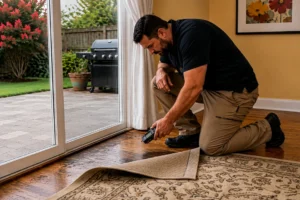
The first step is stopping the water if it can be done safely. That may mean turning off the main water supply, calling a plumber, or moving people and pets away from affected areas. Temporary action may include water extraction and drying equipment, but it should not jump straight into rebuilding before the damage is documented.
A window or door is broken.
Board-up may be needed after storm, fire, impact, or tree damage leaves the home open to the outside. This helps protect the property from weather, animals, theft, and unauthorized entry while the claim and repair plan move forward.
What to Document Before and After
The NAIC recommends documenting temporary repairs after a loss, including taking photos and keeping receipts. That record can help show why the temporary repair was needed and when it was completed.
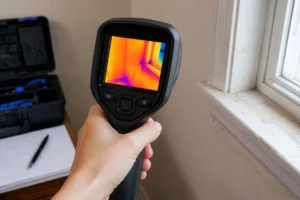
A useful record may include photos of the original damage, wide shots of the affected room, close-ups of damaged materials, receipts for supplies or emergency labor, and notes showing dates and times. If materials have to be removed for safety, photograph them first when possible.
The goal is not to make the process complicated. The goal is to make the timeline clear: what happened, what was done to prevent more damage, and what still needs permanent repair.
Where Homeowners Can Get Into Trouble
Temporary repairs should not erase the evidence of the loss. Repainting, replacing drywall, installing flooring, or throwing away damaged materials too soon can make it harder to show what happened. If the insurance company has not reviewed the damage yet, ask before making permanent repairs unless safety requires immediate action.
This is why documentation should be part of the process from the beginning. Photos, moisture readings, drying logs, invoices, and repair notes can help reduce confusion between emergency protection and permanent restoration.
Unsafe repairs can create problems, too. Wet roofs, standing water near electrical hazards, unstable ceilings, broken glass, and smoke-damaged areas should be handled carefully. A temporary repair is only helpful if it prevents additional loss without putting someone at risk.
When Professional Temporary Repairs Make Sense
Some temporary repairs are simple. Others require equipment, training, or safer access. Professional help may be needed when the roof is unsafe, water has spread into several rooms, moisture may be trapped behind walls, the home has exposed openings, or the damage involves sewage, floodwater, fire, or smoke.
In those situations, temporary protection is part of the larger recovery plan. The immediate goal is to stabilize the home, limit additional damage, and create a clear path toward cleanup and permanent repairs.
Protect Your Home and Your Claim
Temporary repairs may be covered by homeowners insurance when they are reasonable and documented properly. Homeowners should do what they can to protect their property while saving all receipts, taking photos, and contacting their insurance provider. Permanent repairs should be avoided until the damage has been reviewed by a professional.
CareMaster provides insurance claim support after property damage so the restoration process is easier to follow. If your home has water, fire, smoke, or storm damage, CareMaster can assess the loss, provide temporary repairs where needed, and help move the property towards permanent repairs and full recovery.