Storm damage insurance can be confusing because coverage depends on the cause of damage, the policy language, the deductible, and how the claim is documented. After wind, hail, fallen trees, roof damage, or water intrusion, property owners should act quickly, protect the structure, take photos, and keep clear records before repairs begin.
Start With Safety and Property Protection
After a major storm, the first concern is safety. Property owners should avoid damaged roofs, unstable trees, downed power lines, standing water near electrical sources, and rooms where ceilings or walls appear saturated. If the property is unsafe, stay out of affected areas until professionals can inspect it.
Once immediate hazards are addressed, temporary protection may be needed to prevent additional damage. This can include emergency tarping, board-up, water extraction, or moving contents away from affected areas. Many insurance policies require policyholders to take reasonable steps to protect the property after a loss, so waiting too long can create problems during the claim.
CareMaster can provide support after storm damage by helping stabilize the property, document visible damage, and begin the restoration process with a clearer record of what happened.
Identify the Source
Insurance coverage often depends on how the damage occurred. Wind damage, hail damage, fallen tree impact, roof leaks, and floodwater may be handled differently depending on the policy.
For example, a roof damaged by wind may be reviewed differently than water entering from rising floodwater. A fallen tree may involve questions about impact damage, roof openings, interior water intrusion, and whether the tree was healthy or already compromised. Storm-related water damage may be covered in some situations but excluded in others.
That is why property owners should avoid guessing about coverage based only on what the damage looks like. The cause, timing, and source of water intrusion all matter.
Document the Damage Before Cleanup Begins
Photos and records are important because storm damage can change quickly once cleanup begins. Temporary repairs, tree removal, water extraction, demolition, and drying can all alter the appearance of the loss.
Before major cleanup begins, property owners should document:
- Exterior damage to roofing, siding, gutters, windows, doors, and structures
- Fallen trees, limbs, or debris that caused impact damage
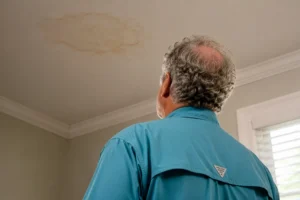
- Interior staining, leaks, wet flooring, and damaged ceilings
- Damaged contents, furniture, equipment, or inventory
- Emergency repairs, receipts, and service invoices
- Dates and times when the damage was discovered
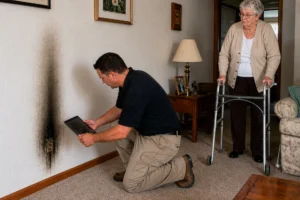
This documentation helps support the claim and gives the insurance adjuster a clearer picture of the original damage.
Understand Your Deductibles
One of the most common surprises during storm damage insurance claims is the deductible. Some policies have a standard deductible, while others may include a separate wind, hail, hurricane, or named storm deductible. That deductible can affect how much the property owner receives after the claim is approved.
Before approving repairs, property owners should review their policy, ask how the deductible applies, and understand whether it is a flat dollar amount or a percentage of coverage. Knowing your property damage deductibles before a loss can make storm recovery less confusing when decisions need to be made quickly.
Communicate Early and Keep Records
Storm claims can involve several parties, including the property owner, insurance company, adjuster, restoration contractor, roofing contractor, tree service, and sometimes a property manager or tenant. Clear communication helps prevent missed details and repeated questions.
Property owners should keep a claim folder with photos, estimates, invoices, emails, claim numbers, adjuster contact information, and notes from phone calls. If temporary repairs are completed before the adjuster arrives, keep receipts and photos showing why the work was needed.
The NAIC offers guidance on post-disaster claims that can help property owners understand the claim process, organize records, and communicate with their insurance company after a disaster.
Look for Hidden Damage
Not all storm damage is obvious on the first day. Water may enter through roof openings and travel into insulation, ceilings, walls, or flooring before stains appear. Hail may damage shingles or exterior materials without creating an immediate leak. Fallen limbs may loosen flashing, gutters, vents, or siding in ways that become more noticeable later.
A professional inspection can help identify damage that is not visible from the ground. Moisture readings may also be needed if water entered the structure. Repairs should not focus only on surface damage if hidden moisture or structural concerns are present.
Get Help With Storm Damage Insurance Claims
Storm damage insurance coverage depends on the policy, the cause of damage, and the records available to support the claim. If your home or business has storm damage, CareMaster can help protect the property, document the loss, dry affected materials, and coordinate restoration work. A clear response plan can make the claim process easier to manage and help prevent storm damage from becoming a larger repair problem.