Bathroom remodeling can be handled as a DIY project in limited situations, but larger bathroom updates often require professional help. Plumbing, waterproofing, ventilation, electrical work, permits, and hidden damage can all affect the final result. Before choosing between a diy bathroom remodel and a professional bathroom remodel, homeowners should consider the true scope, risk, timeline, and long-term performance of the space.
Why Bathroom Remodeling Is Different From Other Home Projects
Bathroom remodeling may look straightforward from the outside. A homeowner might picture new tile, a fresh vanity, updated fixtures, and better lighting. In reality, bathrooms combine water, electricity, ventilation, flooring, wall systems, and tight spaces into one small room.
That combination leaves less room for guesswork. A poorly sealed shower, an improperly connected drain, or weak ventilation may not fail immediately. Homeowners should separate cosmetic updates from work that affects the structure, plumbing, or moisture control system.
When a DIY Bathroom Remodel May Make Sense
A diy bathroom remodel can be practical when the work is mainly cosmetic and the homeowner has the tools, patience, and skill to finish it properly. Painting walls, replacing cabinet hardware, updating mirrors, changing towel bars, or installing simple storage can often be handled without major risk.
Some homeowners may also feel comfortable replacing a faucet or installing a new vanity if the existing plumbing setup remains unchanged. Even then, small mistakes around supply lines or drain fittings can create problems that cost more than the original project.
DIY is usually most appropriate when:
- The layout is staying the same
- Plumbing lines are not being moved
- Electrical work is minimal or handled by a licensed electrician
- No shower pan, tub surround, or waterproofing system is being rebuilt
- The homeowner can complete the project without leaving the bathroom unusable for weeks
Once the project moves beyond surface improvements, the decision becomes more complicated.
Where Bathroom Projects Become Riskier
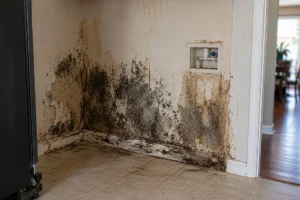
Bathrooms fail most often where water is managed incorrectly. Tile may look finished, but tile itself is not a complete waterproofing system. Showers, tub surrounds, floors, and wall transitions need proper materials beneath the visible surface. If those layers are installed incorrectly, water can travel into areas homeowners cannot see.
Plumbing changes create another risk. Moving drains, replacing tubs, relocating toilets, or adding shower valves can affect slope, venting, water pressure, and code requirements. Ventilation matters too. Poor airflow can trap moisture after showers and contribute to peeling paint, swollen trim, musty odors, or mold concerns.
For larger projects, permits may also be required. Requirements vary by location and project type, but plumbing, electrical, and structural changes are more likely to require review. Homeowners comparing contractor options should also pay attention to finding a trustworthy contractor before signing an agreement or paying a deposit.
What a Professional Bathroom Remodel Adds
A professional bathroom remodel is not just about convenience. It brings planning, sequencing, trade coordination, and moisture protection into one organized process. That matters because bathroom work usually needs to happen in the right order.
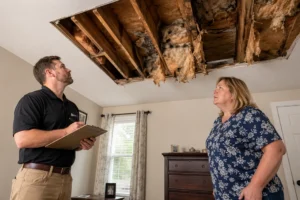
A professional team can evaluate the existing room, identify possible water damage, plan fixture placement, coordinate trades, and install materials for a wet space. That can help reduce the risk of hidden leaks, failed waterproofing, poor drainage, or ventilation problems.
Professional help is especially valuable when the project involves moving plumbing lines, rebuilding a shower, replacing subflooring, updating electrical fixtures, changing the layout, or repairing moisture damage discovered during demolition.
This is also where bathroom remodeling and renovation services can help homeowners move from ideas to a finished space without relying on trial and error.
Budget Should Include More Than Materials
DIY projects often look cheaper because the first estimate only includes visible materials. The hidden costs usually appear when tools, specialty materials, repair mistakes, permit requirements, delays, or unexpected damage enter the picture.
Professional work may cost more upfront, but the price often reflects planning, labor, trade expertise, scheduling, and accountability. It may also reduce the chance of paying twice to correct problems later.
Homeowners should compare the full cost of each option, not just the cost of materials. A lower upfront number is not always the better value if the finished bathroom has moisture problems or code issues.
How to Choose the Right Path
The best choice depends on the project’s complexity. If the work is cosmetic, the layout is unchanged, and no wet-area systems are being rebuilt, DIY may be reasonable. If the project involves waterproofing, plumbing changes, electrical work, ventilation, structural repairs, or signs of previous water damage, hiring a professional is usually the safer path.
Bathroom projects also overlap with broader home repair decisions. If the remodel follows a leak, storm issue, or other property damage, it may help to understand when remodeling makes more sense than simply replacing what was there before.
Plan the Bathroom Around Long-Term Performance
A successful bathroom remodel should look better, function better, and handle moisture better over time. Whether you are considering a small diy bathroom remodel or a full professional bathroom remodel, the goal should be more than a quick visual upgrade. CareMaster can help homeowners evaluate the space, plan the work, and complete bathroom remodeling with the right balance of design, durability, and practical construction.