A house fire is one of the most devastating events a family can experience. Once the flames are extinguished and everyone is safe, the next steps are critical. Acting quickly and involving qualified professionals early helps protect your property from further damage and supports a smoother recovery process.
Here is what to do after a house fire.
Prioritize Safety Above All Else
Even after the fire is out, serious hazards may remain. Structural components can be weakened, electrical systems compromised, and smoke and soot particles may linger in the air.
Do not re-enter the property unless fire officials have confirmed it is safe to do so. If there is any doubt about structural integrity or air quality, wait for professional guidance.
Your safety comes first.
Contact a Qualified Fire Damage Restoration Company
Before attempting cleanup or repairs, contact a professional restoration team experienced in fire and smoke damage, like CareMaster.
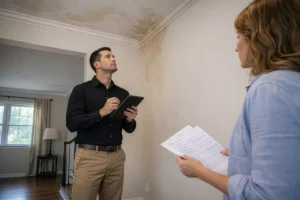
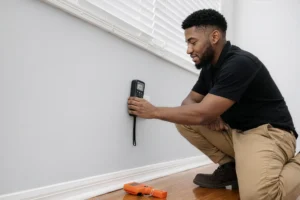
Fire damage often extends beyond what is visible. Smoke can penetrate walls and HVAC systems. Soot residue is acidic and can continue to damage surfaces. Water used to extinguish the fire may saturate structural materials, which can also require professional water damage cleanup.
A qualified fire damage restoration company can:
- Assess structural safety
- Document the full scope of damage
- Secure the property to prevent further exposure
- Begin mitigation promptly
- Coordinate with your insurance provider
Early professional involvement helps prevent secondary damage and ensures proper documentation from the beginning.
Notify Your Insurance Provider
Once a restoration team has assessed the situation, contact your insurance company to initiate the claims process. Provide clear information about the house fire and request guidance on next steps.
Keep records of all communication, including claim numbers and adjuster details.
CareMaster works directly with insurance adjusters to provide detailed documentation and support the claim.
Avoid Attempting Major Cleanup Yourself
It may be tempting to begin scrubbing surfaces or removing debris immediately. However, improper cleaning can spread soot, damage materials further, or create health risks.
Smoke residue requires specialized cleaning methods and equipment. Water introduced during firefighting efforts must be properly extracted and dried to prevent structural deterioration and moisture-related issues.
Allow trained professionals to evaluate and manage the restoration process safely.
Secure Temporary Housing if Needed
If the property is uninhabitable, speak with your insurance provider about temporary housing coverage. House fires often affect utilities, structural stability, and indoor air quality, making it unsafe to remain in the home.
Addressing housing arrangements can reduce stress during the recovery process.
Preserve Documentation and Damaged Items
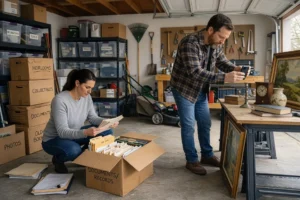
Before discarding damaged belongings, ensure they are documented for insurance purposes. Take photographs and consult with your restoration team regarding which items can be cleaned and restored and which ones require replacement.
Premature disposal can complicate the claims process.
Experienced a House Fire? We’re Here for You
After a house fire, clear guidance and experienced support make a meaningful difference. Working with a qualified restoration team helps protect the structure, streamline communication with your insurer, and move the recovery process forward responsibly.
If you experience fire damage, CareMaster is ready to help you take the next step with confidence