Water damage is a common concern for Raleigh, NC properties because heavy rain, plumbing problems, roof leaks, crawl space moisture, and appliance failures can all affect a home or business. Learning about these risks can help property owners respond faster, limit damage, and understand when water damage restoration may be needed.
Raleigh Water Damage Risk Factors
Raleigh properties face a mix of weather-related and building-related moisture concerns. Summer storms and hurricanes can bring heavy rainfall in a short period of time, causing flash flooding that may lead to water damage when proper drainage is not in place.
Often, water damage risks come from the building itself. Older plumbing, improper crawl space construction, and roof wear can all allow water to enter finished or unfinished areas of the property. These issues can develop slowly over time and may remain hidden until stains, odors, structural issues, or mold appear.
Other problems are more sudden and unpredictable. Appliance leaks and burst supply lines can release water quickly, which is why they require an immediate response.
CareMaster provides 24/7 emergency restoration services for all types of water damage affecting Raleigh, NC homes and businesses.
Stormwater and Flash Flooding
Raleigh storms can overwhelm gutters, yard drainage, low spots, storm drains, and nearby drainage paths. When water flows toward a foundation, backs up around crawl space vents, or collects near doors, it can enter vulnerable areas quickly.
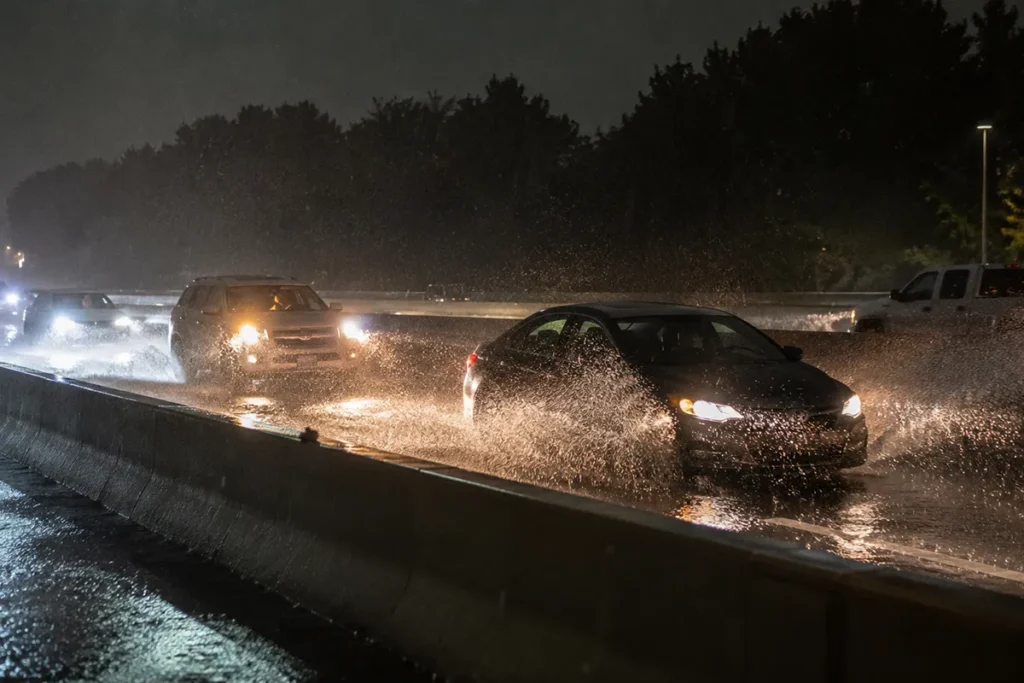
Property owners should pay attention to how water moves during heavy rain. Pooling near the foundation, washout around downspouts, and water crossing driveways or walkways can all signal drainage problems. Understanding local stormwater and flooding in Raleigh can also help property owners think about runoff, drainage, and flood risk before the next heavy rain.
Plumbing Leaks
Plumbing leaks are one of the most common sources of water damage in Raleigh, especially in older properties where aging pipes, older fixtures, and previous repairs may make leaks more likely. A leaking pipe, loose connection, failed supply line, or worn shutoff valve can release water into cabinets, walls, flooring, ceilings, and crawl spaces.
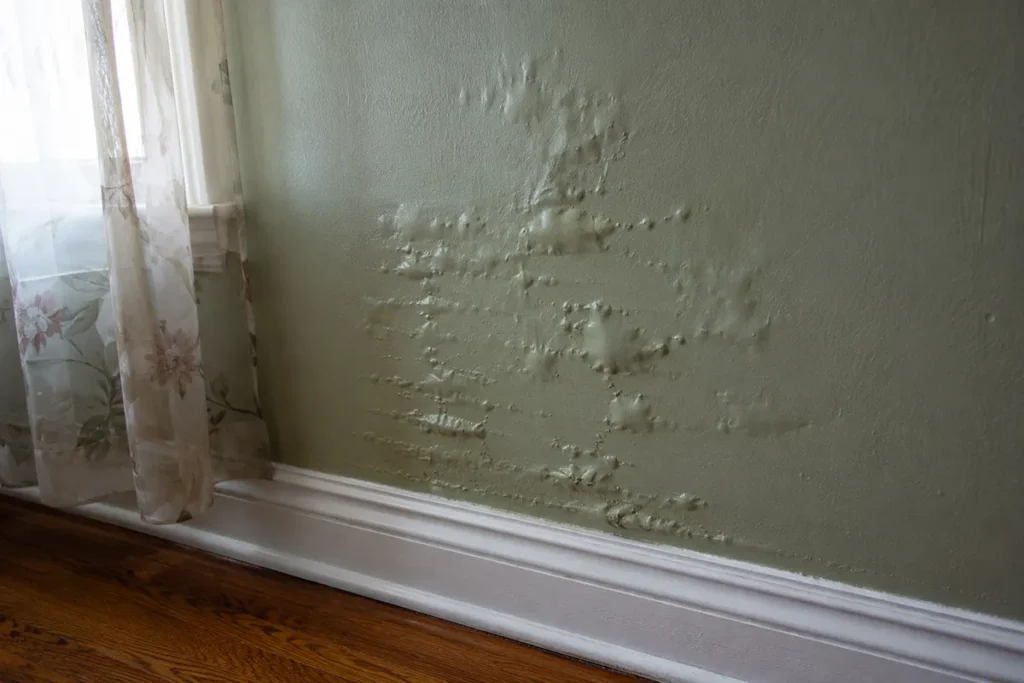
The risk is higher when a leak occurs behind a wall or beneath flooring because the problem may continue for a while before anyone notices. Musty odors, soft flooring, stains, bubbling paint, or unexplained increases in water use can all point to a hidden plumbing issue.
When a plumbing leak affects building materials, water damage restoration may include moisture detection, removal of damaged materials, drying, documentation, and repairs.
Crawl Space Moisture
Crawl spaces are especially important in North Carolina because humid air, poor drainage, plumbing leaks, and missing vapor barrier coverage can all contribute to moisture buildup beneath a home. A damp crawl space can affect floor framing, insulation, indoor humidity, and odors. Warning signs may include musty smells inside the home, soft or uneven flooring, standing water under the house, damp insulation, condensation on ductwork, or visible staining on wood framing.
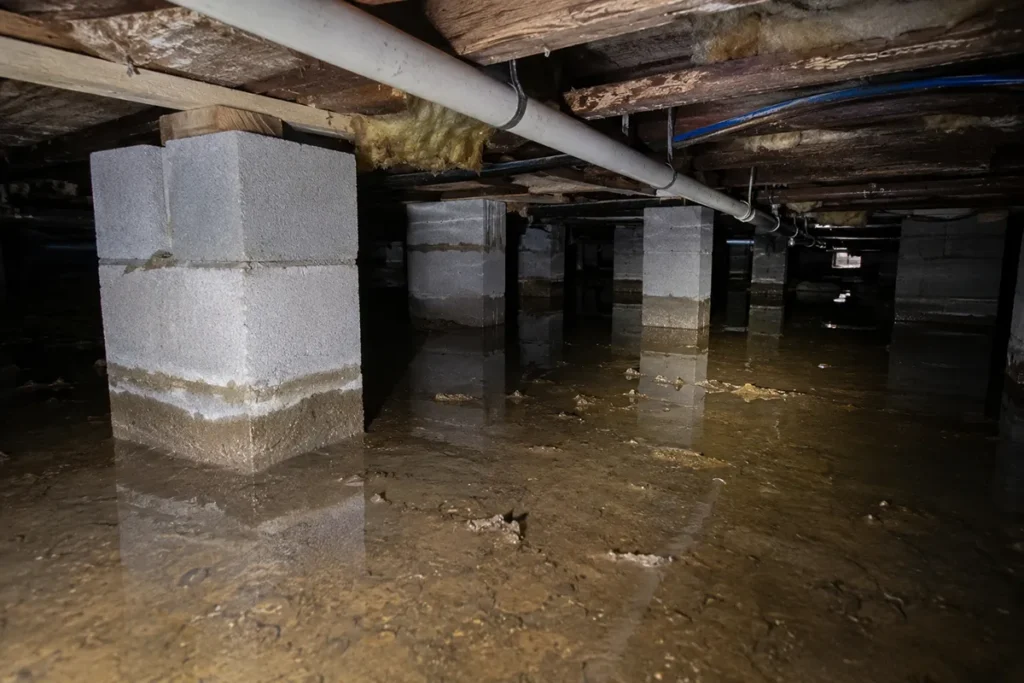
If moisture has affected structural materials, water damage restoration may be needed before crawl space repairs or moisture control improvements can fully solve the problem.
Roof Leaks
Roof leaks can begin with damaged shingles, flashing problems, clogged gutters, storm damage, or worn roof penetrations. Inside the property, the first clue may be a ceiling stain, damp insulation, peeling paint, or discoloration near a wall or light fixture.
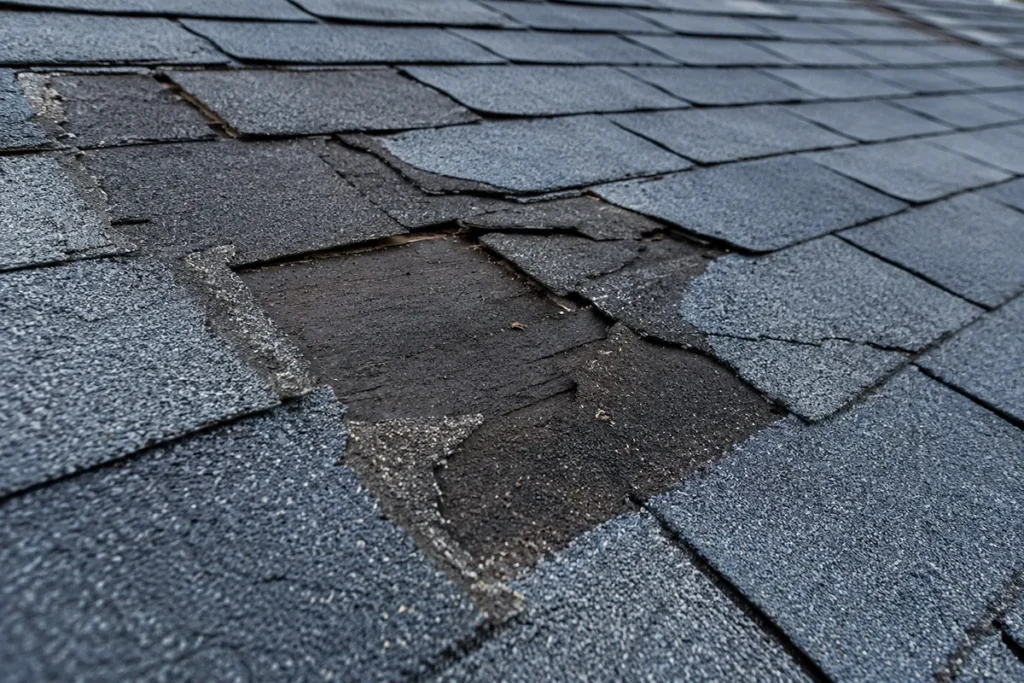
Roof leaks can be deceptive because water may travel along framing before appearing indoors. The visible stain may not show the full path of the water. That is why roof-related water damage should be checked carefully before repairs begin.
Appliance Failures
Appliance leaks are another common source of water damage. Washing machines, dishwashers, refrigerators, ice makers, water heaters, sinks, and toilets can all release water into finished areas. Some leaks are obvious, but others happen slowly behind appliances or under cabinets.
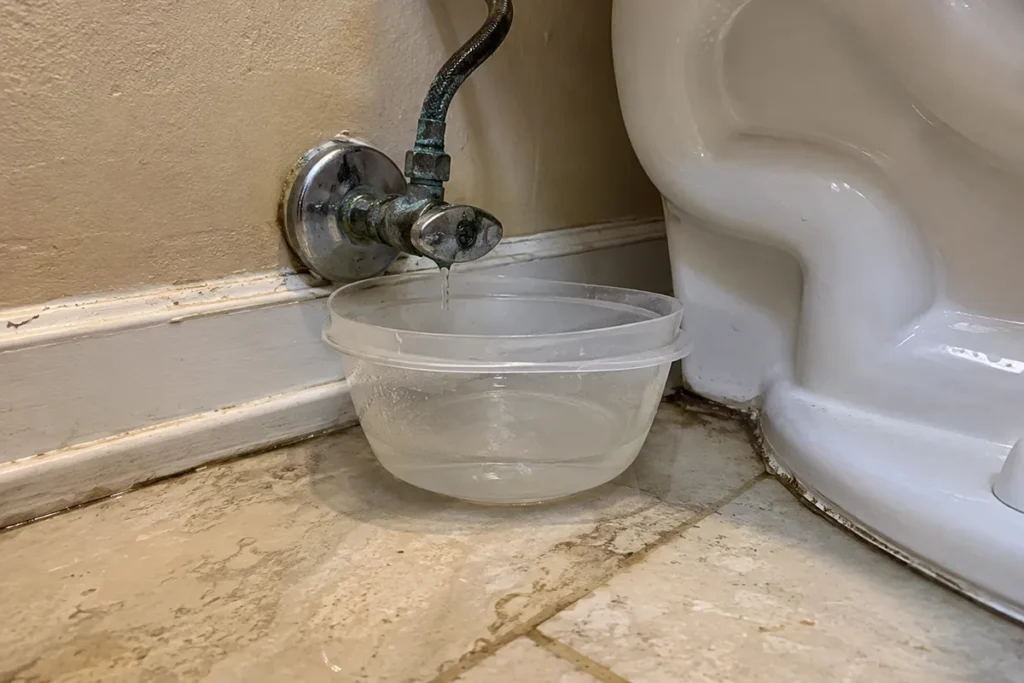
Property owners should watch for water around appliance bases, warped flooring, staining, loose trim, or repeated dampness. Fast cleanup matters because flooring, drywall, cabinets, and baseboards can absorb moisture before the leak looks severe.
What to Do If You Experience Water Damage
After discovering a leak or moisture problem, the safest first step is to stop the source if possible and avoid contact with water near electrical hazards. Then assess the extent of the damage and decide whether to call a professional restoration company.
For more guidance on what to do next, check out CareMaster’s guide to immediate steps after water damage in Raleigh, NC.
When to Call CareMaster
Not every small spill requires professional help, but water inside building materials should be taken seriously. If moisture reaches drywall, flooring, insulation, cabinets, crawl spaces, or multiple rooms, delaying cleanup can make the damage worse.
CareMaster helps Raleigh property owners assess water damage, dry salvageable materials, remove unsalvageable materials, document the loss, and support repairs. If your home or business needs water damage restoration in Raleigh, NC, our team can respond with the equipment and experience needed to help move the property toward recovery.