Storm season maintenance helps reduce property damage by preparing your home before severe weather arrives. In North Carolina, heavy rain, strong winds, fallen limbs, and poor drainage can quickly turn small maintenance issues into costly repairs. By checking gutters, trees, roofing, drainage, and emergency supplies ahead of time, homeowners can lower the risk of storm-related water intrusion and structural damage.
Why Storm Season Maintenance Matters
North Carolina storms can develop quickly, especially during warmer months when thunderstorms, tropical moisture, and high winds become more common. Even when a storm does not cause major regional damage, a single clogged gutter, weak tree limb, or small roof defect can create problems at one property.
Storm season maintenance is not about making a home stormproof. No maintenance plan can prevent every possible loss. The goal is property damage prevention: reducing weak points, improving water flow, and giving homeowners a better chance to respond safely when severe weather moves through.
1. Clear Gutters and Downspouts
Clean gutters are one of the most important parts of a home’s stormwater system. When they are clogged with leaves, pine straw, roof grit, or small branches, water can spill over the edges instead of draining away from the structure. That overflow may soak fascia boards, pool near the foundation, or push water toward crawl spaces and lower entry points.
Inspect gutters from the ground when possible, and look for sagging sections, disconnected downspouts, overflow staining, or erosion below roof edges. Downspouts should direct water away from the home, not empty directly beside the foundation.
2. Trim Trees and Remove Weak Limbs
Tree damage is one of the most common storm-related risks around homes. Branches that hang over the roof, rub against siding, or sit near power lines can become dangerous during high winds. Dead limbs may also fall with little warning when rain softens the ground or wind loads increase.
Homeowners can reduce the risk of storm damage from fallen trees by inspecting the property for cracked limbs, leaning trees, dead sections, or branches touching the roof. Smaller pruning may be manageable, but large limbs, tall trees, and anything near power lines should be handled by qualified professionals.
3. Check the Roof and Exterior Openings
A roof does not need obvious storm damage to allow water inside. Loose shingles, worn flashing, cracked vent boots, damaged caulk, and gaps around exterior penetrations can all let wind-driven rain enter the home.
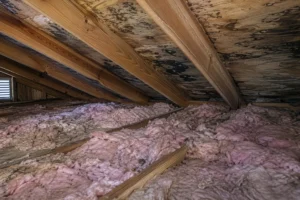
From the ground, look for missing shingles, lifted edges, loose trim, damaged siding, or staining below rooflines. Inside the home, watch for ceiling spots, peeling paint, musty odors, or dampness near exterior walls. These signs may point to small leaks that should be addressed before the next storm exposes them.
4. Improve Drainage Around the Foundation
Good drainage is a major part of property damage prevention. When water collects near the home, it increases the chance of crawl space moisture, foundation seepage, and interior water intrusion.
After a moderate rain, walk around the property and look for standing water near the foundation, low spots in the yard, blocked drains, or downspouts that discharge too close to the structure. Mulch beds should not be piled against siding, and soil should slope away from the home where possible.
5. Prepare Supplies and Review Your Plan
Homeowners should also know what they will do if severe weather affects the property. That plan should start with a practical storm kit, which may include flashlights, batteries, phone chargers, first aid supplies, important documents, medications, bottled water, and basic cleanup items.
It may also be a good idea to take updated photos of the home’s exterior and key rooms before storm season. This documentation may be useful if damage occurs and an insurance claim is needed.
Coastal residents of Eastern North Carolina who are more vulnerable to hurricanes should also review broader hurricane preparation steps, such as checking evacuation routes and creating a communication plan.
When Storm Damage Still Happens
Even careful storm season maintenance cannot prevent every loss. If severe weather damages the roof, allows water inside, or affects structural materials, fast response matters. Delays can allow moisture to spread behind walls, beneath flooring, and into other hidden areas.
CareMaster provides storm damage repair services for homeowners dealing with wind, rain, roof damage, water intrusion, and related property damage after severe weather. Our team can assess the damage, begin mitigation, document affected areas, and help restore the property with practical next steps.
Storm season maintenance gives your home a stronger starting point before severe weather arrives. If damage still occurs, CareMaster is ready to help you respond quickly and move forward with less uncertainty.