One of the first questions homeowners ask after discovering water damage is, “How much is this going to cost to repair?” The honest answer is: it depends—but understanding the factors that affect water damage restoration cost can help you make smarter, safer decisions early and avoid delays that make things worse.
What Most Homeowners Don’t Realize
Water damage restoration isn’t priced like a flat service call. Two homes with similar visible damage can require very different restoration approaches because the real water damage restoration cost is often tied to problems that aren’t immediately visible. Moisture can move beyond obvious wet areas and settle behind walls, beneath flooring, or inside structural materials long before any surface signs appear. When a small leak is caught early, restoration is usually straightforward. When it isn’t, that same leak can quietly spread and turn into a much larger and more expensive issue.
The Biggest Factors That Affect Water Damage Restoration Cost
Several variables influence restoration pricing in North Carolina homes:
Water Source
Clean water, gray water, and contaminated water all require different handling, safety precautions, and equipment.
Extent of Damage
Water that reaches walls, flooring, insulation, or crawlspaces significantly increases the scope of work.
Time Before Drying
The longer water sits, the more damage it causes. Delays often increase both complexity and cost.
Materials Affected
Hardwood, drywall, insulation, cabinetry, and subflooring all respond differently to moisture and require different restoration methods.
These factors determine labor time, equipment needs, monitoring requirements, and safety protocols.
Why North Carolina Homes Can Be More Challenging to Dry
Homes across North Carolina share a few characteristics that often complicate water damage restoration cost:
- High humidity
- Improper crawlspace construction
- Moisture-prone flooring systems
These factors can allow moisture to linger longer and slow the drying process, or collect in hidden areas where it can go unnoticed. This hidden moisture is difficult to detect without professional equipment, and if it isn’t properly dried and monitored, it can lead to secondary damage such as mold growth, odors, or structural issues.
How Professional Restoration Helps Control Costs
Professional water damage restoration isn’t just about drying what you can see. It focuses on:
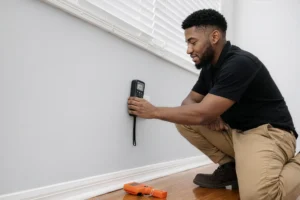
- Precise moisture detection
- Controlled, measured drying
- Continuous monitoring
- Preventing future problems, not just surface cleanup
When water damage is handled correctly from the start, it often reduces long-term repair costs by stopping damage before it spreads.
What This Means for You
Understanding water damage restoration cost factors early can help you avoid delays and missteps that make the situation more expensive and disruptive. Knowing what to expect upfront makes better outcomes far more likely.
If you’ve experienced water damage, our restoration teams based in Greenville and Raleigh can help explain what factors apply to your home and what next steps make sense. No pressure. Just clear, honest guidance.