Filing a property damage claim after a water intrusion, fire damage, or storm-related loss can quickly become overwhelming. Experiencing damage to your home or business is stressful enough, but navigating the insurance process at the same time adds another layer of pressure.
While most insurance policies are designed to help property owners recover from sudden and accidental damage, simple missteps during the claims process can delay approval, reduce payouts, or complicate restoration efforts.
Understanding the most common mistakes people make when filing a property damage claim can help you move forward with confidence and avoid unnecessary setbacks.
1. Delaying Mitigation
One of the most significant mistakes property owners make is waiting too long to address the damage.
After water, fire, or storm damage occurs, insurance policies typically require the policyholder to take reasonable steps to prevent further damage. This is known as mitigation. If water damage is left untreated, for example, materials can continue to deteriorate, and mold growth may begin.
Waiting days or weeks to act can not only increase the extent of damage but may also raise questions from your insurance carrier about preventable loss.
Acting quickly to secure and stabilize the property is critical. Professional restoration teams can assess the damage and begin mitigation immediately while the claim is being processed.
2. Failing to Document the Damage Thoroughly
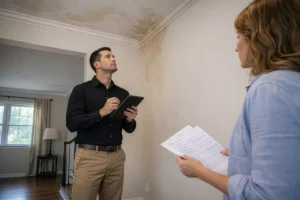
Before cleanup begins, documentation is essential. A common mistake is taking only a few photos or failing to capture the full scope of damage. It is important to document:
- Wide shots of affected areas
- Close-up photos of damaged materials
- Damaged contents and personal belongings
- The source of the damage, if visible
The more detailed your documentation, the easier it is for adjusters to understand the extent of the loss. If possible, take photos and videos before moving or discarding any damaged items.
Thorough documentation protects you and helps support your claim.
3. Throwing Away Damaged Items Too Soon
It is natural to want to clear out wet, burned, or debris-covered items immediately. However, discarding items before they are documented and evaluated can complicate the claims process.
Insurance adjusters often need to verify damaged materials and contents before approving replacement or reimbursement. Removing items too quickly may reduce your ability to demonstrate the full scope of the loss.
When in doubt, document first and consult with your restoration professional before disposal.
4. Not Understanding Mitigation Responsibilities
Many property owners assume that filing a claim means the insurance company will handle everything from start to finish. In reality, policyholders are typically responsible for taking reasonable steps to limit additional damage. For example:
- Stopping the source of water if possible
- Boarding up broken windows
- Placing tarps over damaged roofing
- Removing standing water
Failing to take these steps may impact how the claim is evaluated.
A qualified restoration company like CareMaster can help you understand what actions are appropriate and ensure mitigation efforts are documented properly.
5. Attempting Major Cleanup Without Professional Guidance
Some cleanup tasks are safe for property owners to handle, but significant restoration work should be approached carefully.
Water damage can extend beneath flooring and inside wall cavities. Fire damage may leave behind structural weakening and lingering smoke residue. Attempting to manage complex restoration without proper equipment can result in incomplete drying, hidden damage, or long-term structural issues.
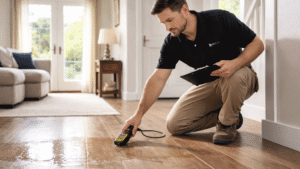
Professional restoration teams use specialized drying equipment, moisture detection tools, and industry protocols to ensure that the property is stabilized correctly.
Starting the process properly reduces the likelihood of future complications.
6. Not Working with a Qualified Restoration Company
Choosing the right restoration partner matters. A qualified company can:
- Assess damage accurately
- Provide detailed documentation
- Coordinate with insurance adjusters
- Follow industry-standard mitigation procedures
- Communicate clearly throughout the process
Restoration professionals do not replace the insurance company, but they do play a key role in supporting the claim with clear documentation and technical expertise.
Working with an experienced team like CareMaster can make the entire process smoother and more transparent.
7. Waiting Too Long to File a Property Damage Claim
Another common mistake is assuming that minor damage can be addressed later. Many policies have time limitations for filing claims. Delays may complicate coverage or reduce available options.
If you are unsure whether the damage warrants a claim, it is better to seek guidance early rather than risk missing important deadlines.
Moving Forward with Confidence
Filing a property damage claim does not have to be overwhelming. By acting quickly, documenting thoroughly, and working with experienced professionals, property owners can avoid common pitfalls and move through the process more smoothly.
If you experience water, fire, or storm damage, CareMaster can support you through every stage of the claims process, from thorough documentation and mitigation to direct coordination with your insurance provider.