Winter in North Carolina can be unpredictable. One week may bring mild temperatures that feel more like early spring, while the next delivers a hard freeze. That fluctuation is exactly what makes winter water damage such a concern. Even though our climate is generally moderate, temperatures can drop quickly and stay below freezing long enough to cause serious problems for homes and commercial properties.
Preventing winter water damage starts with understanding how cold weather affects plumbing systems, building materials, and moisture levels inside a property.
Understand How Freezing Temperatures Cause Damage
Water expands when it freezes. When water inside a pipe freezes, pressure builds within the line. That pressure can cause pipes to crack or burst, often in areas that are not immediately visible, such as behind walls, under floors, or in crawl spaces. In many cases, the pipe does not rupture at the moment it freezes. Damage often appears when temperatures rise and the ice thaws, allowing water to escape through weakened sections.
Even in North Carolina, where extreme cold may not last for long stretches, a short freeze can be enough to create costly damage. The good news is that there are practical steps you can take to help prevent this type of damage.
Insulate Exposed Pipes
One of the simplest and most effective prevention steps is insulating exposed plumbing. Pipes located in crawl spaces, attics, garages, and along exterior walls are especially vulnerable. Foam pipe insulation sleeves are inexpensive and easy to install, yet they provide valuable protection during cold snaps.
Pay particular attention to:
- Pipes in unheated spaces
- Outdoor hose bibs
- Water lines along exterior-facing walls
Insulation helps slow heat loss and reduces the likelihood of freezing during sudden temperature drops.
Disconnect and Protect Outdoor Fixtures
Outdoor faucets and irrigation systems are common sources of winter leaks. Before freezing weather arrives, disconnect garden hoses and drain them completely. Leaving a hose attached can trap water inside the faucet, increasing pressure inside the pipe when temperatures drop.
If possible, shut off the interior valve that supplies outdoor spigots and allow the line to drain. Faucet covers can add another layer of protection during colder stretches.
Maintain Consistent Indoor Temperatures
Because winter weather in North Carolina can shift quickly, it is important not to assume that a brief warm period means freezing temperatures are finished for the season. Keep indoor temperatures consistent, even if you plan to be away from the property.
If a home or rental property will be vacant, set the thermostat no lower than 55 degrees. Sudden cold snaps can catch property owners off guard, and unheated interiors increase the risk of frozen pipes.
Allow Airflow Around Vulnerable Areas
Cabinets under sinks and along exterior walls can trap cold air. During freezing weather, open cabinet doors slightly to allow warmer indoor air to circulate around plumbing lines. This simple step can help prevent pipes from freezing in kitchens and bathrooms.
For properties with crawl spaces, ensure vents and access doors are properly sealed and insulated to limit cold air infiltration.
Address Small Leaks Promptly
Not all winter water damage comes from burst pipes. Minor leaks can become larger problems during colder months, especially when combined with temperature swings. Water that seeps into materials can expand when frozen and worsen existing cracks or gaps.
If you notice signs of moisture, staining, or dripping, address the issue quickly. Early repairs reduce the chance of structural damage and secondary problems such as mold growth.
Monitor for Early Warning Signs
Because winter water damage often occurs out of sight, it is important to remain attentive. Watch for:
- Unusual drops in water pressure
- Unexplained increases in water bills
- Damp spots on ceilings or walls
- Musty odors in enclosed areas
These can signal hidden plumbing issues that require attention.
Be Prepared for Rapid Weather Changes
North Carolina winters are known for variability. A stretch of mild days can quickly give way to freezing temperatures. Staying proactive throughout the season is far more effective than reacting after damage occurs.
Check weather forecasts regularly during winter months, and take preventative measures before temperatures drop. Preparing ahead of a freeze is always easier and less costly than responding to water damage after the fact.
When to Call a Professional
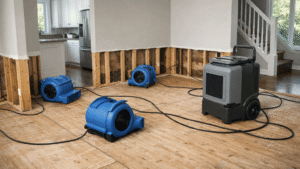
With proper preparation and attention, winter water damage can often be prevented. However, if a pipe freezes and bursts, or you notice signs of water intrusion, prompt action is critical to minimizing damage. CareMaster’s water restoration team can evaluate moisture levels, dry affected materials, and help protect your property from long-term structural issues.