Emergency roof tarping helps protect a property after storm damage by covering exposed roof areas before permanent repairs can begin. When wind, fallen limbs, hail, or heavy rain create a roof leak, a properly secured tarp can reduce additional water intrusion, limit interior damage, and give property owners time to plan the next repair steps.
Why Roof Tarping Is Often the First Step
After a storm, the roof may have missing shingles, punctures, damaged flashing, lifted materials, or openings caused by fallen branches. Even a small exposed area can allow rainwater to enter the attic, insulation, ceilings, walls, and flooring below.
Emergency roof tarping is not a permanent repair. It is a temporary protective measure used to reduce further damage while the roof is evaluated, the insurance claim is documented, and repair work is scheduled. That temporary protection can make a meaningful difference when more rain is expected or when repairs cannot happen immediately.
What a Roof Tarp Can Help Protect
A roof leak after storm damage can spread quickly. Water may enter through the damaged roof, then move along framing, insulation, ceiling materials, and wall cavities before it becomes visible indoors. By the time a ceiling stain appears, water may already have affected materials above or around that area.
A secured tarp can help protect:
- Attic insulation and wood framing
- Ceilings and drywall below the damaged roof
- Flooring, furniture, and personal belongings
- Electrical fixtures near the leak area
- Interior rooms that may be exposed to additional rain
The goal is not to hide the damage. The goal is to reduce ongoing exposure so the property does not continue taking on water while the next steps are arranged.
Why Professional Installation Matters
Homeowners may be tempted to handle emergency roof tarping on their own, especially if the damage looks small from the ground. However, storm-damaged roofs can be unstable, wet, and unsafe. Steep slopes, loose shingles, damaged decking, hidden punctures, and nearby tree debris can create serious fall risks before the tarp is ever installed.
Professional tarping also involves more than covering the roof with plastic. The tarp needs to extend beyond the damaged area, shed water away from openings, and be secured well enough to handle wind and rain. Poorly placed tarps can shift, trap water, or leave gaps that continue allowing moisture into the structure.
For homeowners who still plan to handle temporary protection themselves, the EPA offers guidance on temporary weather barriers like roof tarps. Even then, safety should come first, and professional help is usually the better option when the roof is steep, wet, unstable, or actively leaking.
Tarping Supports the Insurance Process
Emergency roof tarping can also help with documentation. Before the tarp is installed, photos should be taken of the roof damage, fallen limbs, interior leaks, ceiling stains, wet materials, and any affected belongings. After the tarp is installed, property owners should also keep records of the emergency service.
This matters because storm damage can change quickly once mitigation begins. Tree removal, tarping, drying, and cleanup may all alter the appearance of the loss. Good documentation helps show what happened before temporary protection was added.
If a claim is involved, understanding storm damage insurance coverage can help property owners prepare for conversations about deductibles, documentation, covered repairs, and the cause of damage.
What Happens After the Tarp Is Installed
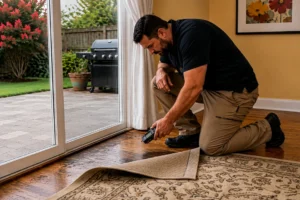
Once the roof is temporarily protected, the interior still needs to be inspected. Water may have entered before the tarp was placed, especially if the damage occurred during heavy rain or was not discovered right away.
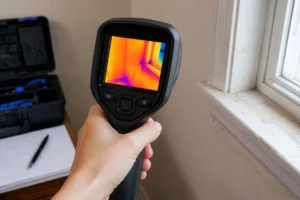
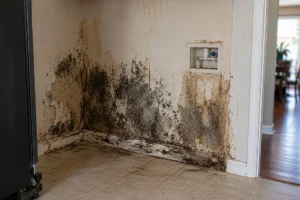
The next steps may include checking the attic, insulation, ceiling materials, walls, and flooring for hidden moisture. If water entered the structure, drying may be needed before repairs begin. In some cases, damaged drywall, insulation, flooring, or trim may need removal if it cannot be dried properly.
Do Not Wait for the Next Rainfall
A damaged roof should not be left exposed while property owners wait for perfect timing, repair approvals, or contractor availability. The longer the opening remains uncovered, the more likely additional rain will enter and expand the damage.
Even if the roof leak seems small, water can continue moving into materials that are difficult to see. A quick response can help reduce repair costs, prevent secondary damage, and protect the property from a more complicated restoration process.
If your home or business has a roof leak after a storm, CareMaster’s storm damage repair services can help secure the property with emergency roof tarping and guide the next steps. From moisture inspection and water mitigation to documentation and repairs, our team helps protect the structure and move the restoration process forward.