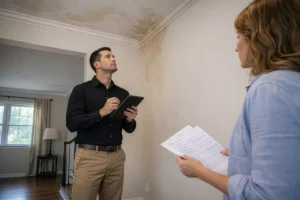
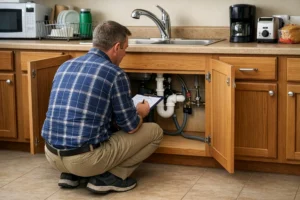
Insurance coverage after water damage can be confusing, especially when you’re already dealing with a stressful situation. Many homeowners assume all water damage is covered, only to find out later that certain causes are excluded under their homeowners insurance policy. Understanding what typically is and isn’t covered can help you avoid surprises and make better decisions early on.
What’s Usually Covered
In many cases, homeowners insurance covers water damage caused by sudden and accidental events. These are situations that happen unexpectedly and aren’t the result of ongoing neglect.
Examples commonly covered include:
- Burst or frozen pipes
- Sudden appliance failures
- Accidental overflow from plumbing fixtures
Coverage applies when the damage is abrupt and not preventable through routine maintenance.
What Homeowners Insurance Often Doesn’t Cover
Not all water damage is treated the same by insurers. Damage linked to long-term issues or lack of maintenance is often excluded from coverage.
Common exclusions may include:
- Slow leaks that occur over time
- Ongoing plumbing issues that weren’t addressed
- Water intrusion caused by foundation or drainage problems
Flooding from external sources, such as rising groundwater or storms, typically requires a separate flood insurance policy rather than standard homeowners insurance.
Why Documentation Matters
Insurance claims don’t just depend on what caused the damage. Documentation plays a major role in how claims are evaluated.
Insurance providers often require:
- Evidence of when the damage occurred
- Photos or records of affected areas
- Proof that steps were taken to prevent further damage
Prompt action and clear records help demonstrate that the situation was handled responsibly.
How Professional Restoration Can Support Insurance Claims
Professional restoration teams are familiar with the documentation and reporting process insurers expect. Following a proper water damage restoration process helps ensure affected areas are identified, documented, and addressed before repairs begin. This can make communication with insurance providers smoother and help prevent delays during the claims process.
Why Coverage Can Vary Across North Carolina
Homeowners insurance policies can vary based on the age of the home, construction type, and regional risk factors. In North Carolina, older homes and crawlspace construction can sometimes influence how policies are written and interpreted.
Because coverage details differ from policy to policy, reviewing your specific plan is always the safest approach.
Getting Clarity Before Moving Forward
Insurance questions are rarely simple, but understanding common coverage scenarios can reduce stress during an already difficult time. Knowing how homeowners insurance typically applies to water damage helps you take informed next steps without unnecessary delays.
Our restoration teams are based in Greenville and Raleigh, serving homeowners throughout the surrounding areas. We can help explain common insurance-related questions, document damage properly, and guide you through what usually makes sense next.