Property damage repairs can be an opportunity to choose better materials instead of simply replacing damaged finishes with the same products. After water, fire, or storm damage, homeowners may be able to improve durability, moisture resistance, maintenance, and long-term value while repairs are already underway. The key is understanding what insurance may cover and where upgrades become a homeowner choice.
Property Damage Repairs Can Create a Decision Point
When damage affects flooring, cabinets, drywall, trim, or other finishes, the first priority is always stabilization and restoration. Wet materials need to be dried or removed. Fire-damaged areas need to be cleaned and repaired. Storm-related openings need to be secured before the home can be rebuilt properly.
Once the structure is safe and the repair scope is clearer, homeowners often face a practical question: should damaged materials be replaced with the same type of product, or is this the right time to choose something better?
That decision does not have to turn a repair project into a full remodel. Sometimes it simply means selecting more durable flooring, moisture-resistant materials, or finishes that will be easier to maintain over time.
Start With the Cause of Damage
The best material choice depends on what caused the damage in the first place. A bathroom affected by a toilet overflow has different needs than a kitchen damaged by a refrigerator leak or a living room affected by smoke and soot.
If water damage caused the loss, moisture resistance should be part of the conversation. If fire damage affected the space, odor resistance, cleanability, and replacement of porous materials may matter more. If storm damage created roof or wall repairs, exterior durability and weather exposure should be considered.
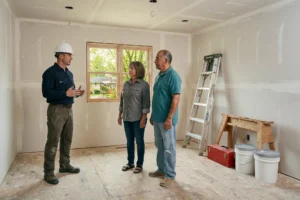
This is where hiring a professional remodeling and renovation company can be useful. A team that understands both restoration and renovation after property damage can help determine when to repair versus when to upgrade.
Think Beyond Appearance
Appearance matters, but better materials should do more than look good on installation day. Homeowners should consider how each product will perform after years of use, cleaning, humidity, spills, pets, foot traffic, and daily wear.
When comparing renovation materials, think about durability, moisture resistance, maintenance, compatibility with existing finishes, long-term value, and style that fits the home without feeling overly trendy.
Those choices should be weighed together. A beautiful product that performs poorly in a moisture-prone room may create frustration later. A durable product that clashes with the rest of the home may not feel like a good investment either.
Understand What Insurance Usually Covers
Insurance policies typically focus on restoring damaged areas to their pre-loss condition, subject to policy terms, limits, exclusions, and adjuster review. That means insurance may pay to replace damaged materials with comparable materials, but not necessarily upgraded products.
For example, if damaged flooring was basic laminate, the covered repair may be based on replacing it with a similar grade. If the homeowner wants a higher-end product, they may be able to pay the difference. The same can apply to cabinets, countertops, fixtures, trim, or other finishes.
This is why early communication matters. Homeowners should ask what is included in the approved scope, what would be considered an upgrade, and how changes could affect timing or cost. Clear decisions early in the project can help avoid confusion once materials are ordered or installed.
Choose Materials Based on the Room
Different rooms need different priorities. A single material strategy rarely works well across the entire home.
Kitchens
Water resistance, durability, cleanability, and cabinet construction are important because kitchens include appliances, plumbing connections, food prep, and heavy daily use.
Bathrooms
Moisture resistance should be a top priority when making bathroom remodeling decisions. Flooring, wall materials, vanities, trim, and ventilation choices can all affect how well the room handles humidity.
Laundry Rooms
Washer leaks, supply line failures, and drain issues make this room a strong candidate for practical, water-resistant materials.
Living Areas
Comfort, appearance, wear resistance, and continuity with the rest of the home may matter most, especially when only part of the flooring or trim is affected.
These room-by-room decisions can help homeowners avoid overbuilding one area while overlooking another.
Plan for Long-Term Value
A repair project can become more expensive when decisions are rushed. Materials may look similar in a showroom but perform very differently once installed. Before choosing, homeowners should think about how the room is used, how much maintenance they are willing to handle, and whether the product fits long-term needs.
It can also help to review previous decisions that affected the same type of space. For example, often involve moisture resistance, ventilation, layout, and professional installation, all of which can influence how well repairs hold up over time.
Rebuild With Better Materials and a Clear Plan
Property damage repairs should restore the home safely first, but they can also create a chance to make smarter material choices. If your home has experienced water, fire, storm, or other property damage, CareMaster can help assess the repairs, explain practical upgrade options, and complete restoration and renovation work with long-term durability, moisture resistance, and value in mind.