Most people assume mold only thrives in hot, humid climates or during the peak of summer. However, mold remains a serious risk even in winter, when outdoor temperatures drop and indoor heating increases.
Here is what homeowners, landlords, and property managers in Greenville, Raleigh, and across North Carolina need to know.
Why Mold Is Still a Threat in Cold Weather
Mold does not depend on warm temperatures to grow. It can develop anywhere moisture and oxygen are present. In fact, cold weather can promote indoor conditions that support microbial growth.
Hidden Moisture from Poor Ventilation
In winter, windows and doors stay closed to conserve heat. This reduces airflow and traps moisture from:
- Showers and baths
- Cooking
- Dishwashing
- Drying clothes indoors
- Breathing and body moisture
With less air exchange, humidity builds up and creates a damp indoor environment.
Increased Humidity from Heating Systems
Central heat, space heaters, and duct systems can raise relative humidity indoors, especially in areas that do not dry well, such as:
- Crawl spaces
- Basements
- Attics
- Closets
- Behind cabinetry
Elevated humidity levels allow moisture to accumulate in materials and surfaces, where it becomes fuel for mold growth.
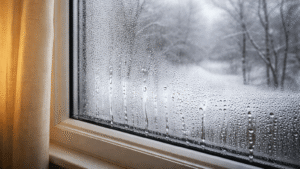
Condensation from Temperature Differences
When warm indoor air meets cold surfaces, condensation forms. You might notice it as water droplets on:
- Windows
- Interior surfaces of exterior walls
- Exposed plumbing pipes
Over time, persistent condensation can lead to mold growth.
Hidden Leaks from Freezing Weather
Water damage does not always announce itself. Winter weather can place added stress on buildings and cause:
- Small pipe leaks
- Roof flashing issues after freezes
- Ice dam buildup
- HVAC drain pan overflows
Over time, persistent condensation can compromise these areas.
Practical Steps to Reduce Winter Mold Risk
- Control indoor humidity. Aim for 30 to 50 percent relative humidity. You can use humidity meters, exhaust fans in bathrooms and kitchens, and dehumidifiers in damp areas.
- Increase airflow throughout the home. Crack interior doors, use ceiling fans on low, and keep vents clear. Even small improvements in air movement can help.
- Manage condensation by wiping down cold surfaces when moisture appears. Proper insulation on exterior walls and pipes can also reduce condensation buildup.
- Fix leaks quickly. A small leak can lead to significant damage over time. Address signs of water intrusion or structural moisture as soon as they are discovered.
What to Look For
Mold can remain hidden for weeks or even months before it becomes visible. During winter, it most often develops in areas where moisture tends to collect and airflow is limited, such as behind baseboards, under sinks, inside cabinets, and in crawl spaces.
Because these areas are not always inspected regularly, mold can spread quietly before it is noticed. Routine inspection of these vulnerable spots helps catch problems early. Common warning signs include:
- Musty or earthy odors
- Increased allergy symptoms indoors
- Spotty or fuzzy black or green patches
- Peeling paint or wallpaper
- Unusual staining on walls or ceilings
If you notice any of these signs, do not ignore them. Mold rarely resolves itself without addressing the underlying moisture source.
Protect Your Property from Winter Mold
The bottom line is that cold weather does not eliminate the risk of mold. When moisture problems persist or signs of growth appear, professional mold remediation may be needed.
Contact CareMaster in Greenville or Raleigh to schedule a mold inspection today.