Structural drying prevents long-term water damage by removing moisture trapped inside floors, walls, framing, cabinets, and other building materials after a water loss. Removing visible water is only the first step. If hidden moisture remains, it can lead to swelling, odors, mold growth, material breakdown, and repairs that become more expensive over time.
Why Water Removal Is Not the Same as Structural Drying
After a pipe break, appliance leak, roof leak, or storm-related intrusion, the most obvious problem is usually the water people can see. Standing water on the floor gets the attention first, and it should. Fast water removal helps stop water from spreading and reduces immediate damage.
However, visible water is only part of the issue. Moisture can move under baseboards, beneath flooring, into drywall, behind cabinets, and through seams where different materials meet. By the time the floor surface looks dry, water may still be sitting inside materials that are not easy to inspect without professional tools.
That is where structural drying becomes important. The goal is not simply to make the room look dry. The goal is to dry affected building materials to appropriate moisture levels so the structure can be repaired safely and confidently.
Where Hidden Moisture Usually Gets Trapped
Water follows gravity, gaps, and absorbent materials. Even a small leak can spread farther than expected if it has enough time.
Common areas where moisture hides include:
- Drywall behind baseboards
- Subflooring beneath tile, hardwood, laminate, or carpet
- Wall cavities behind cabinets and appliances
- Insulation near exterior walls or ceilings
- Wood framing, sill plates, and trim
- Toe kicks beneath kitchen and bathroom cabinets
These areas matter because they can hold moisture long after surface cleanup is finished. If they are ignored, long-term water damage can continue quietly behind finished surfaces.
How Structural Drying Works
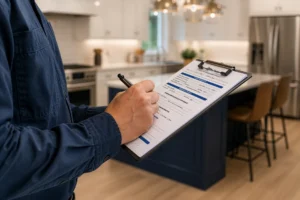
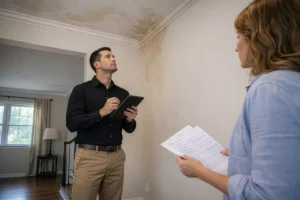
A professional drying plan starts with inspection. Technicians use moisture meters and other tools to identify which materials are wet, how far water traveled, and whether any materials need to be removed before drying can be effective.
Once the affected areas are mapped, the drying setup is planned around airflow, humidity control, temperature, and the type of materials involved. Air movers help moisture evaporate from wet surfaces and materials. Dehumidifiers pull that moisture out of the air so it does not settle back into the structure. In some cases, baseboards, flooring sections, cabinet components, or drywall may need to be opened or removed so trapped moisture can escape.
The phases of structural drying generally involve inspection, water removal, evaporation, dehumidification, and monitoring. Each phase supports the next. Skipping one can leave moisture behind where it can cause problems later.
Drying Should Be Measured, Not Guessed
One of the biggest mistakes after water damage is assuming that dry-looking materials are safe. Touch can be misleading. A wall may feel normal while moisture remains deeper inside. A floor may look clean while water remains trapped under the surface.
Professional structural drying relies on moisture readings, not guesswork. Technicians take readings throughout the job to track progress and adjust equipment as conditions change. If moisture levels are not dropping as expected, the drying plan may need to be modified.
This is also why drying equipment should not be removed too early. Turning off air movers or dehumidifiers before the structure has reached proper drying goals can leave moisture behind and increase the chance of future damage.
What Long-Term Water Damage Can Look Like
Long-term water damage often appears slowly. A property owner may not notice problems until days or weeks after the initial leak. By then, the affected materials may have already changed.
Common signs of lingering moisture include musty odors, soft drywall, warped flooring, swollen trim, peeling paint, staining, or recurring spots near the original damaged area. Cabinets may begin to separate or swell. Flooring may cup, buckle, or loosen. Mold may develop if moisture remains long enough.
Structural drying helps reduce that risk by addressing moisture while the damage is still manageable.
Why Professional Equipment Makes a Difference
Household fans and open windows can move air, but they do not create a controlled drying environment. In humid weather, opening windows can even bring more moisture inside. That is a problem in North Carolina, where outdoor humidity can slow drying and make indoor moisture harder to control.
Professional restoration companies, like CareMaster, use commercial equipment sized and placed for the affected area.
This controlled approach is one reason fast drying after water damage matters. The sooner moisture is found and managed properly, the better the chance of limiting repairs.
Protect the Structure Before Damage Spreads
Structural drying is one of the most important steps after water damage because it addresses the moisture people cannot always see. Removing visible water helps, but drying the affected materials protects the home or business from deeper, longer-lasting problems.
If your property has experienced water damage, CareMaster offers structural drying and water damage restoration services throughout North Carolina. Contact us right away to help remove hidden moisture and prevent long-term damage from spreading deeper into the structure.