Rebuild your home with a clear plan after a fire, not with rushed decisions. The safest and smartest approach is to stabilize the property, document the damage, work closely with insurance, and make rebuilding choices that improve long-term function as well as safety. When handled properly, reconstruction can restore the home while also correcting weaknesses exposed by the loss.
Start With Safety and Stabilization
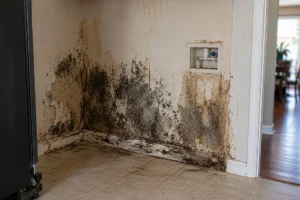
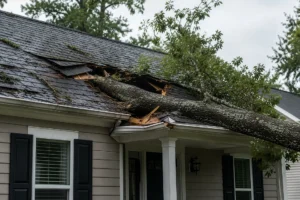
Before rebuilding begins, the home needs to be made safe. Fire can weaken framing, damage wiring, affect structural connections, and leave behind smoke, soot, and water from suppression efforts. Even if the visible damage seems limited, hidden issues may still be present behind walls, above ceilings, or inside mechanical systems.
That is why the first step is always assessment and stabilization. The property needs to be secured, damaged areas need to be identified clearly, and any conditions that could worsen over time need to be addressed before reconstruction starts.
Document the Damage Before the Build Begins
Good documentation is one of the most important parts of a successful rebuild. It creates a record of the fire damage before demolition, cleanup, and repairs change the condition of the home. It also helps support communication with adjusters, contractors, and anyone else involved in the claim.
Useful documentation often includes:
- Photos of damaged rooms, finishes, and structural areas
- Notes about smoke, soot, and water impact
- Estimates for demolition and reconstruction
- Records of emergency services and temporary protection
This process also makes it easier to track what is being restored and what may need to be replaced entirely.
Understand the Difference Between Repair and Improvement
When people rebuild your home after a fire, they often discover that reconstruction is not just about putting everything back exactly the way it was. Some work is basic repair. Some work is an opportunity to rebuild smarter.
For example, if cabinets, drywall, flooring, or insulation already need to be removed, it may make sense to upgrade certain materials during the reconstruction phase. Better ventilation, improved layout decisions, more durable finishes, and safer electrical updates can all be considered while the home is already under repair.
The key is to make those choices early. Delayed decisions can slow the project, complicate budgeting, and create confusion once demolition and reconstruction are already underway.
Work Closely With Insurance During Reconstruction
Insurance usually covers what is needed to restore the home to pre-loss condition, but upgrades and design changes are often treated differently. That means homeowners need to understand where covered reconstruction ends and elective improvement begins.
Clear communication helps avoid surprises. Homeowners should ask:
- What repairs are part of the covered scope?
- Which upgrades would be out-of-pocket?
- Are code-related changes required as part of the rebuild?
- What approvals are needed before materials or plans change?
These are not the glamorous parts of rebuilding, but they matter. They can be the difference between a controlled project and a budget ambush in work boots.
Make Safer Material and Design Choices
A fire rebuild is a chance to think beyond appearance. Materials should not only look good. They should also perform well, hold up over time, and make the home easier to maintain.
Depending on the area being rebuilt, homeowners may want to consider:
- More durable flooring in high-use spaces
- Better ventilation in kitchens and laundry areas
- Updated electrical components where needed
- Improved insulation and wall assemblies
- Layout changes that make the home work better day to day
This does not mean every fire loss should turn into a full redesign project. It means reconstruction should be thoughtful enough to improve the home where it makes practical sense.
Choose a Team That Can Bridge Restoration and Remodeling
One of the biggest advantages during reconstruction is working with people who understand both fire recovery and remodeling. Fire losses rarely stay neatly in one lane. Structural repair, smoke cleanup, demolition, rebuild planning, and finish decisions often overlap.
A team that can connect those parts tends to reduce delays and communication gaps. For homeowners ready to move from recovery into rebuilding, home remodeling and renovation services can help align the structural work with smart design decisions.
Earlier planning also tends to go better when homeowners understand the immediate steps after a house fire, since those first actions often shape how smoothly reconstruction moves later.
Rebuild With a Smarter Long-Term Plan
Rebuild your home after a fire by treating safety, insurance, and reconstruction as one connected process. A careful plan helps reduce delays, control costs, and create a finished result that is not only restored, but stronger and more functional than before. If your home is moving from fire cleanup into reconstruction, CareMaster can help guide the next phase with practical planning, experienced rebuilding, and a focus on safe, durable results.