When water damage affects a home or business, one of the first questions people ask is whether water-damaged items can be saved. In many cases, the answer is yes—but it depends on the type of item, how severe the exposure is, and how quickly action is taken. Some belongings can be safely cleaned and restored, while others may be too heavily damaged to recover.
Items suitable for restoration are carefully removed and documented, thoroughly cleaned, and securely stored in one of our climate-controlled facilities until the property is ready for their return.
Understanding this process helps property owners know what to expect and improves the chances of restoring as many belongings as possible.
How Water Affects Personal Belongings
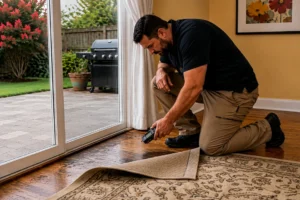
Water intrusion rarely affects only the structure of a building. It often spreads across floors, under furniture, and into cabinets or storage areas. Porous materials such as fabrics, paper goods, and unfinished wood are particularly vulnerable.
Household items commonly affected by water damage include:
- Furniture and upholstered items
- Clothing, linens, and textiles
- Books, photos, and documents
- Electronics and appliances
- Decorative items and personal collections
Depending on the source of the water and the length of exposure, some belongings may be salvageable while others may need to be replaced.
Our professional contents restoration team evaluates each item carefully to determine the best course of action.
The Pack-Out Process
When a large number of belongings are affected, restoration companies often perform what is known as a pack-out process. This allows the structural drying work to proceed while personal items are removed and treated separately.
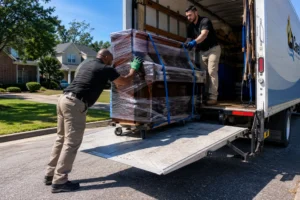
During the pack-out process, our technicians carefully remove belongings from the affected property and transport them to a secure cleaning facility. Each item is handled with care to minimize additional damage and to ensure proper tracking throughout the process.
The pack-out process typically includes:
- Careful packing and removal of belongings
- Protective wrapping for fragile items
- Transportation to a controlled restoration facility
- Documentation of item condition
Removing contents from the property also allows drying equipment to operate more effectively inside the home.
Detailed Inventory and Documentation
One of the most important steps in contents restoration is documenting water-damaged items before they leave the property. Each piece is cataloged, photographed, and logged into our iCat digital inventory system.
This system creates a detailed record of your belongings, allowing us to track them throughout the cleaning and storage process while also providing clear documentation that may be required for insurance claims.
The inventory process may include:
- Photographs of affected belongings
- Item descriptions and condition notes
- Categorization of salvageable and non-salvageable items
- Tracking numbers for storage and return
Accurate documentation helps prevent confusion and ensures that items can be returned to the correct location after restoration.
Cleaning and Restoration of Water-Damaged Items
After water-damaged items are transported to a restoration facility, technicians begin specialized cleaning procedures. Different materials require different treatment methods depending on how they react to moisture and contamination.
Textiles and Fabrics
Porous items such as bedding and curtains may undergo professional laundering or controlled drying techniques designed to remove moisture, odor, and contaminants.
Hard-Surface Materials
Non-porous items such as glassware, metal fixtures, and certain types of furniture are carefully disinfected and cleaned using restoration-grade equipment.
Speciality Items
For delicate or high-value belongings such as jewelry and collectibles, technicians may use specialized methods like ionic cleaning baths. These baths use controlled electrical currents and cleaning solutions to safely remove contamination from items that might otherwise be difficult to restore.
Electronics
These are typically evaluated by restoration specialists to determine whether safe cleaning and testing are possible. When restoration is not practical, the items are documented for insurance replacement.
The goal of contents restoration is to return as many water-damaged belongings as possible to their original condition while maintaining proper safety and sanitation standards.
Secure Storage During Structural Repairs
Oftentimes, belongings cannot be returned immediately. Structural drying, demolition, and repairs may still be underway inside the home. To protect items during this phase, they are stored in a climate-controlled facility.
CareMaster maintains secure contents restoration facilities in Greenville and Morrisville, NC, allowing belongings to remain protected until the property is ready for their return.
Secure storage ensures that restored belongings remain protected from additional moisture, dust, or construction activity while the property is being repaired.
Once structural restoration is complete, items can be safely returned.
Insurance Coordination and Claims Support
Contents restoration also plays an important role in the insurance process. Insurance carriers often require documentation of affected belongings as part of the claims review.
Detailed inventories and restoration records can help support the property owner’s claim and clarify which items were restored versus replaced. We work directly with insurance adjusters to provide documentation and updates throughout the process.
This coordination helps streamline communication and reduces confusion for property owners managing a water damage claim.
Why Professional Contents Restoration Matters
Water damage becomes far more stressful when personal belongings are affected. CareMaster’s pack-out process, detailed documentation, and professional cleaning procedures are designed to reduce that burden by protecting your valuables while the property itself is being restored.
When it comes to water-damaged items, acting quickly can make a significant difference. The sooner restoration specialists can assess and protect them, the greater the chances of saving the things that matter to you.